
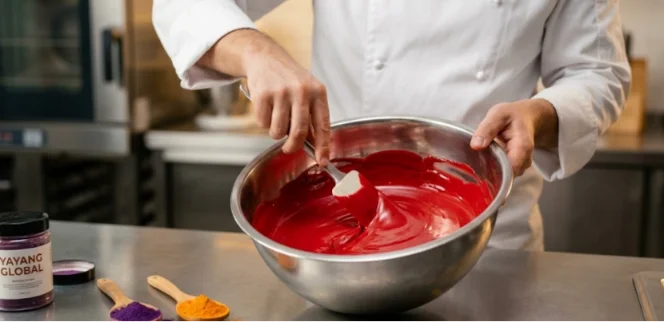
You have spent many hours finding the best cocoa beans. Or maybe you found a great compound coating. The heat is just right. The chocolate flows perfectly. Then, you put in a little bit of liquid color. Suddenly, the whole batch gets stuck. It turns into a hard mess. This is called seizing. It feels like a car that stops working in the middle of a fast road. Every person in the professional candy world has seen this happen. Usually, it happens right when you are busy on a Friday afternoon. When you choose between oil based food coloring powder vs liquid, you are not just picking a texture. You are deciding if your chocolate will stay smooth or turn into a disaster. The stakes are very high. Chocolate is a picky thing. It does not forgive small mistakes. If you want a treat that breaks with a loud snap and looks shiny, you must get the color part right. You need to know why things go wrong.
The Hidden Flaw of Liquid Oil-Based Colors in Chocolate?
Putting liquid into chocolate is always a scary move. Even if the bottle says it is oil-based, it might not work well with your cocoa butter. Making candy is about being very exact. When you add a liquid, you are adding something that does not really belong in a high-quality chocolate bar. It changes the recipe in ways you might not see at first.
Altering the Delicate Fat Ratio
Liquid oil-based colors are mostly just tiny bits of color mixed into cheap oils. These oils are often soybean or vegetable oil. These are fats, but they are not the same as cocoa butter. Chocolate needs a very specific mix of fats to stay strong. When you pour in liquid dye, you are watering down the good cocoa butter. You are adding thin, cheap oil instead. This might seem like a small thing. But in a big 50kg batch, even a little bit of the wrong oil can change how the chocolate melts. It makes the final treat too soft. It feels oily in your mouth. It does not melt away in a clean way. This is a common way to ruin a great recipe. You might not even know it is ruined until a customer tells you the chocolate feels weird.
Ruining the Temper and the “Snap”
The worst part about using liquid dyes is what they do to the temper. Tempering is the way you make the chocolate shiny. It makes it have that great “snap” when you break it. The cheap oils in liquid dyes get in the way of this. They act like tiny walls. They stop the chocolate parts from locking together in the right way. You might see “fat bloom” on the surface. These are those ugly white streaks or spots. Or worse, the chocolate might stay soft even when it is cool. It becomes a sticky mess. It will not come out of the molds. If you want to make professional candy, liquid colors are like a bad bet. You will likely lose your money and your time.
Why Fat Soluble Powder Is the Ultimate Confectionery Solution?
People who make chocolate for a job usually stop using liquids. They do this as their business grows. They find out that a highly concentrated chocolate dye in powder form is much better. It gives you control that liquids can never give. It is about taking away the things that make a batch fail. You want to know exactly what is in your bowl.
Zero Added Moisture or Carrier Oils
A real fat soluble powder is just pure color. It has no vegetable oils. It has no water. It has no extra stuff to make it thin. When you add it to your chocolate, you are only adding color. This means your cocoa butter stays exactly the same. There is no risk of the chocolate getting stuck or seizing. This is because there is no water involved at all. You can make very dark colors or bright, happy colors. You can do this without changing how thick the chocolate is. The chocolate stays smooth. This is very important for a big factory. In a big shop, every minute you stop costs a lot of money. Using powder keeps the machines running well.
Highly Concentrated Chocolate Dye for Better ROI
If you look at the money, powders are a much smarter choice. Liquid colors are mostly just filler. You are paying for a plastic bottle and a bunch of cheap oil. There is only a tiny bit of real color inside. But a highly concentrated chocolate dye powder goes a very long way. You might only need a few small spoons of powder for a big batch. A liquid would take half a bottle for the same color. This helps you save money on shipping. It also saves space on your kitchen shelves. Also, powders stay good for a very long time. They do not go bad or smell funny like oil liquids can. If a liquid sits in a warm spot, the oil inside can turn gross. For a big business, the money you save with food coloring powder is very clear. It is a smart move for your wallet.
Best Practices for Using Oil-Based Powders?
Even the best tools can fail if you do not use them right. You cannot just throw a big pile of dry powder into a vat of chocolate. If you do that, it will not look good. It takes a little bit of skill to make sure the color is smooth and bright. You want it to look perfect every time.
Blooming the Powder in Cocoa Butter
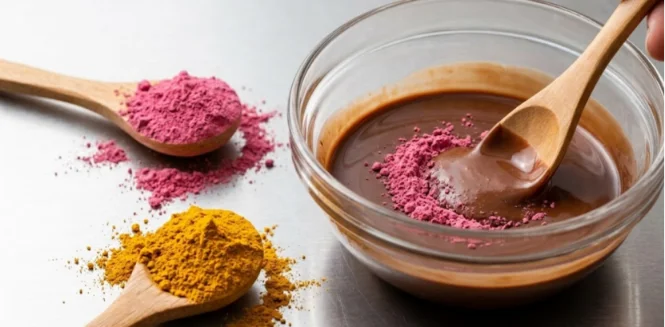
One of the best secrets in the business is called “blooming.” Instead of putting the powder into the big pot of chocolate, you do something else first. You take a tiny bit of melted cocoa butter. Then, you mix the powder into that small amount. You make a thick “color paste.” This helps the fat soluble powder mix in completely. It makes sure there are no tiny grains or spots in your chocolate. Once the paste is smooth, you stir it into the big batch. This makes the color look very bright and even. It also stops you from stirring the big batch too much. Too much stirring can cause bubbles or make the chocolate feel grainy. It is a simple extra step. But it is what makes a master different from a beginner.
Perfecting Candy Melts and Compound Coatings
Most people love pure chocolate. But many big shops use candy melts or other coatings. These are great for things like cake pops or fruit. These coatings usually use palm oil instead of cocoa butter. When you talk about oil based food coloring powder vs liquid, the answer is still the same here. Powders are still much better. They mix into these fats very easily. These coatings are often used for fast work. You need a color that will not make the coating too thin. If the coating is too thin, it will just run off the cake pop. It will look bad. Powder keeps the coating thick. It makes the color solid and bright. It gives you that professional look that makes customers want to buy more.
Upgrade Your Chocolate Production with YAYANG’s Premium Powders?
Changing to better ingredients is the fastest way to make your brand bigger. You need a partner who knows the hard parts of working in a kitchen. For a long time, YAYANG has been the secret help for many famous chocolate shops. They do not just sell jars of dust. They give you the steady results that big makers need to make a profit. Their team spends a lot of time in the lab. They test how colors act with different fats. They look at how the chocolate cools down and stays shiny.
YAYANG makes things for people who want everything to be perfect. Their YAYANG oil based food coloring is made to be very strong. But it also has no taste at all. This is very important. Many cheap dyes have a bitter, bad taste. This can ruin a piece of high-end dark chocolate. With YAYANG, the focus is on being pure. It is about doing the job well every time. Maybe you have a small shop making fancy truffles. Or maybe you have a huge factory making thousands of bars every hour. Their oil based food coloring powder gives you the power to be creative. You get the bright colors you want. Your chocolate keeps that great, loud snap. Stop struggling with messy liquids. Start using a color that actually helps your recipe.
FAQ
Q1: Why does my chocolate seize when I add oil-based liquid color?
A: Even if a liquid says it is for oil, it might still have a tiny bit of water. Or the oil inside is not very clean. That tiny drop of water makes the sugar and chocolate bits clump together. This is why it gets stuck and turns into a mess.
Q2: Can I use oil-based powder in royal icing or water-based frostings?
A: Not really. These powders need fat to work. They are fat soluble. If you put them in icing made of water, they will not dissolve. The powder will just sit there like tiny bits of colored sand. You would need a water-soluble color for that.
Q3: How do I store food coloring powder to keep it fresh?
A: You should keep it in a cool and dry spot. The dark is better too. Water and wet air are the enemies of powder. Make sure the lid is very tight every time. If you do this, the colors will stay bright for two years or even more.
Q4: Will using powder affect the temper of my chocolate?
A: No, it will not. Pure powder does not add extra fats or water. This makes it the safest choice for shiny, tempered chocolate. It lets the cocoa butter do its job naturally without any trouble.
Q5: Is it harder to get bright colors with powder compared to liquid?
A: It is actually much easier. Powders are a highly concentrated chocolate dye. This means you can get much deeper and brighter colors. Liquids often make the chocolate too thin before you get the color you want.