
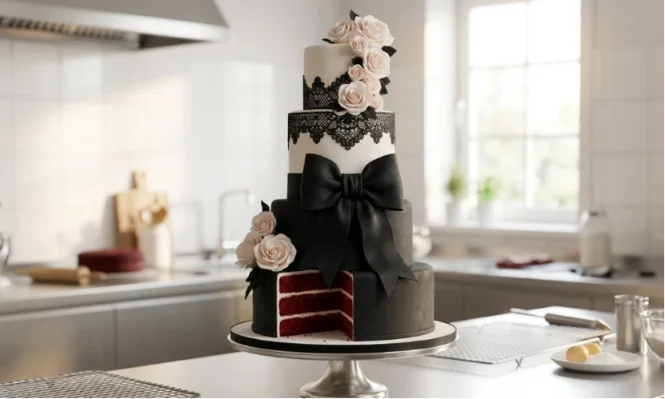
Picture a very real situation on a busy Tuesday morning. A client walks in and wants a huge five tier wedding cake. It is a massive order worth thousands of dollars. They want deep red velvet layers and a pure black fondant bow. But right before they sign the paper contract, they ask to see your ingredient list to check if everything is completely vegan and halal. You freeze for a second. You look at your shelf of bottles and realize you actually do not know the exact ingredients. Losing a big job over a few drops of food dye is a terrible feeling for any business owner.
Today, running a commercial bakery means dealing with very strict diet rules from everyday customers. Finding safe bakery ingredients is hard enough when you are busy baking. Finding a bright and bold vegan gel food coloring that actually works in your recipes feels almost impossible. This guide will help you spot bad ingredients and source the right products so you never have to turn away a big cake order again.
The Hidden Non-Vegan and Non-Halal Ingredients in Baking Colors
When you buy a bottle of yellow or pink dye, it usually just looks like regular colored liquid. The ingredient list often has strange numbers and long chemical names that are very hard to read in a rush. Many cake decorators just trust the front label if it says it is natural or safe. But the hard truth is that the baking industry hides a lot of animal parts and alcohol inside those tiny plastic bottles. You have to know exactly what to look for when shopping for halal food coloring or vegan options.
The Carmine Trap: Why True Red Is Rarely Vegan
Getting a perfect deep red buttercream is already a huge headache because it often tastes bitter if you add too much. But the real problem with red is where the actual color pigment comes from. Many standard red, pink, and purple dyes use something called carmine. On a tiny label, it might say Natural Red 4 or E120. This color actually comes from crushed bugs. Yes, crushed beetles from cactus plants. It is totally safe for humans to eat, but it is absolutely not vegan. If you feed a carmine dyed cake to a strict vegan customer, it is a massive mistake. You always need to hunt for a carmine-free food dye if you want to stay compliant and keep your buyers happy.
Alcohol-Based Carriers in Liquid Colors
Another big issue pops up when you look at the liquid that carries the color powder inside the bottle. A lot of cheap, watery food dyes use strong alcohol to keep the color fresh on the grocery store shelf. While the alcohol might bake out in a hot oven, putting it into raw buttercream or royal icing means the alcohol stays right there in the frosting. This breaks the strict rules for anyone needing a halal menu for religious reasons. High quality gel options usually avoid alcohol completely and use thicker and safer liquid bases.
The Source of Glycerin: Plant vs. Animal
Good gel dyes use glycerin to make the paint thick and smooth. It keeps your rolled fondant nice and soft when you cover a cake. However, glycerin comes in two very different types. It can come from plant oils, or it can come from animal fat like pork or beef fat. A bottle will usually just say the word glycerin on the back label. For a commercial bakery trying to sell to strict religious crowds, guessing the fat source is a very bad business plan. You must know if your dye uses a safe plant base.
Why Should You Never Compromise Color Quality for Compliance?
Many shop owners finally find a dye that passes all the strict diet tests. They get excited and buy a whole box of plant-based cake coloring. Then they try to bake with it, and it goes terribly wrong. A lot of natural dyes are extremely weak and watery. You have to dump half a bottle into your mixing bowl just to get a pale pink macaron. Adding that much extra liquid ruins your batter completely. Your delicate macarons crack in the oven, and your icing gets too runny to pipe a simple flower rosette.
Also, weak colors fade fast under high heat. Your bright green mint cake comes out looking like muddy brown bread. You need a vegan gel food coloring that is highly concentrated. It has to survive a hot oven without turning pale or yellow. You simply cannot trade a good looking cake just to check a box on a diet list. Your customers still eat with their eyes first, and ugly cakes simply do not sell well in a display case.
How Can You Verify Your Bakery Ingredients Are Truly Safe?
Walking down the aisle of a baking supply store or clicking through a wholesale website can be confusing for anyone. Every brand claims they are the absolute best choice. They stick cute green leaves on the box to make it look healthy and natural. But clever marketing tricks will not protect your bakery if a customer gets sick or finds out you used the wrong stuff. You have to take the ingredient checking into your own hands.
Read Beyond the Front Label
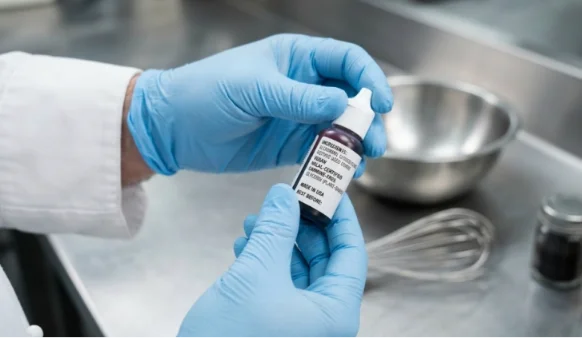
Never trust the big bold letters on the front of the color bottle. Turn it around and look closely. Look for specific warning words. If you see E120, put it back on the shelf immediately. If you do not see the word plant next to the glycerin ingredient, you should be very careful. It takes a little extra time to read the tiny print, but it saves your shop from angry internet reviews later down the road.
Always Ask Your Supplier for Certifications
When you are buying wholesale bakery colors for a big production kitchen, reading small labels is not enough. You are buying in bulk, maybe gallons at a single time. You need to email the factory or the seller directly. Ask them to send you their official halal certificate paper. Ask for a clear document stating the product is completely vegan. Serious suppliers will have these documents ready to send you in a PDF file right away. If a seller ignores your email or gives a vague answer over the phone, it is time to find a new seller.
Sourcing the Best Vegan Gel Food Coloring for Commercial Use
Finding a partner that gives you brilliant colors and clean paperwork is the final step. This is exactly where YAYANG steps in as a massive relief for busy commercial kitchens. They operate as a specialized manufacturer that actually listens to what big bakeries need on a daily basis. Their food coloring gel is built directly for high volume and professional use.
As an expert in food additives, one thing that stands out about them is their strict attention to ingredient compliance. Their gel formulas are totally free of carmine and use only high grade plant based glycerin. This means every single drop meets strict vegan and halal standards. You do not have to guess at all. Beyond safety, the color saturation is incredible. You only need a tiny toothpick amount to turn a whole batch of sweet buttercream into a deep black or a vivid neon pink without any bitter chemical taste. They provide all the necessary safety and diet certifications upfront, making bulk ordering completely stress free. Switching to a reliable source stops the endless guessing game and keeps your bakery production line moving fast.
Conclusion: Build Customer Trust with the Right Colors
Baking for people with strict diets is not just a passing internet trend. It is just the normal way of doing business in a modern bakery right now. When you take the extra time to source the right dyes, your customers notice the effort. They trust you with their big events. They tell their friends about the local bakery that actually cared enough to check the hidden ingredient list. By stocking up on certified and high quality colors, you protect your business reputation and you make your cakes look absolutely stunning at the very same time.
FAQ
Q1: What makes red food coloring not vegan?
A: Many common red dyes use a color called carmine or E120. This specific color is made from crushed insects, which means it is strictly off limits for anyone eating a vegan diet.
Q2: Is all gel food coloring halal?
A: No, not all of them are safe for this diet. Some brands use animal fat to make their thick glycerin base, or they sneak in liquid alcohol as a cheap preservative. You must check the factory papers to be sure.
Q3: Does vegan gel food coloring fade faster in the oven?
A: Cheap supermarket natural dyes will fade very quickly under high heat. However, professional grade vegan gels are highly concentrated and built to stay bright even after baking for a long time.
Q4: How can I tell if my food coloring has bugs in it?
A: Turn the bottle around and read the small print on the back. If you see the words carmine, cochineal extract, or the short number E120, the dye contains bugs.
Q5: Where can I buy certified wholesale vegan food coloring?
A: You should buy directly from a trusted manufacturer like YAYANG that provides clear plant based ingredient lists and official halal documents for bulk buyers.