
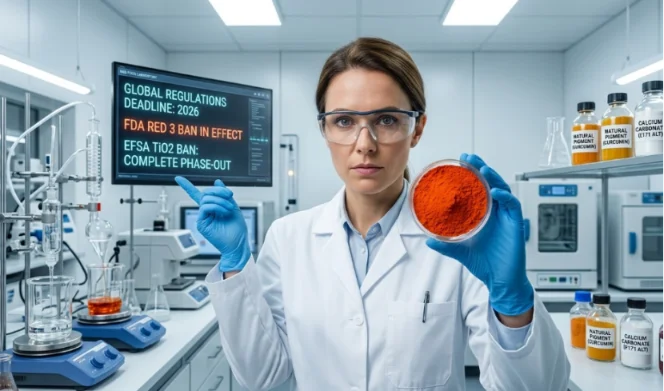
Time is running out for food and drink makers all over the world. You likely feel the heat from stores and buyers. They want cleaner labels. But your biggest problem right now is not just what people like to eat. It is the law. Rule makers across the globe are banning old synthetic dyes right now. Do you make gummy bears, cakes, or salty snacks? If those items still use E171 or Red 3, you have a huge problem. Miss the deadline, and stores will toss your items in the trash. You will lose a lot of money fast. You cannot just sit back and watch. Getting ready for global food color regulations 2026 takes a lot of time. You need months for lab tests and trial runs.
The 2026 Regulatory Environment: FDA and EFSA Updates
Before looking at local rules, you must see the big picture first. Food safety laws change so fast today. Keeping up is hard work. The initial hurdle is ensuring compliance with the patchwork of state laws and federal regulations that have recently been approved as well as anticipated future laws. It feels like a crazy puzzle. This mess can easily trick a buyer who is not ready.
The EU’s Firm Stance on Titanium Dioxide (E171)
Europe already closed the door on E171 completely. The European Food Safety Authority said it loud and clear. E171 is not safe for people to eat anymore. Do you ship packaged food to the EU? If yes, you must find good Titanium Dioxide alternatives right away. Border guards there will check. They will stop your boxes if they find even a tiny bit of this white powder. You must change your recipe today. That is the only way to keep selling in that huge market.
The US Crackdown: Red 3 and the Phase-Out of Synthetic Dyes
The US is right behind Europe now. It started with state rules. California passed tough laws to ban Red 3. This forces big brands to rethink how they buy things. Think about it. No factory wants to make a special batch of red candy just for one state. It costs too much. The national government is moving fast too. In April 2025, the FDA and HHS announced a comprehensive plan to phase out all petroleum-based synthetic food dyes by the end of 2026. Finding a safe Red 3 replacement is not a choice anymore. American factories must do it now.
Reformulation Roadblocks: Why Do Brands Struggle to Adapt?
Changing colors sounds easy on paper. You just call a seller and buy a new dye, right? Factory bosses know the truth. It is a total nightmare. Swapping out a color ruins your whole recipe balance. The water level changes. The acid level jumps around. One day, your famous blue sports drink looks great. Two weeks later in a hot room, it looks like dirty puddle water.
The biggest pain is what shoppers expect. People eat with their eyes. Natural dyes often do not achieve the same bright hues as synthetic dyes, so food manufacturers will need to strike a balance between product appeal and consumer preferences for natural ingredients. Beet juice might look pretty in a bowl. But bake it in a giant oven? It turns muddy brown right away. Brands fail because finding clean label food colors that survive hot, rough factories is super hard.
Safe Alternatives to Titanium Dioxide for Whitening and Opacity
Losing E171 is a massive headache for candy and cake makers. It was a magic dust. It made candy shells thick and gave cake icing a bright, snowy look. Take it away, and your coated chocolates look flat. The dark chocolate inside bleeds right through the thin color shell. You really need safe alternatives to Titanium Dioxide in food. You need something that bounces light exactly like the old fake stuff did.
This is when calling a real bulk food coloring manufacturer saves the day. Many factory owners panic over this, but YAYANG truly fixes this exact legal mess. They are a top global source for food coloring powder. The expert team at YAYANG builds smart, nature based mineral and plant blends. These mixes copy the thick, white look of E171 perfectly. They do not just hand you a weak backup. They ship a rock solid food coloring powder. It covers up dark spots and gives a pure white shine. Best of all, it never messes up how your candy feels in the mouth. Switch to their legal mixes, and your treats keep that high end look. At the same time, you drop all your legal risks to zero. You get the exact results you need to keep your factory belts moving fast.
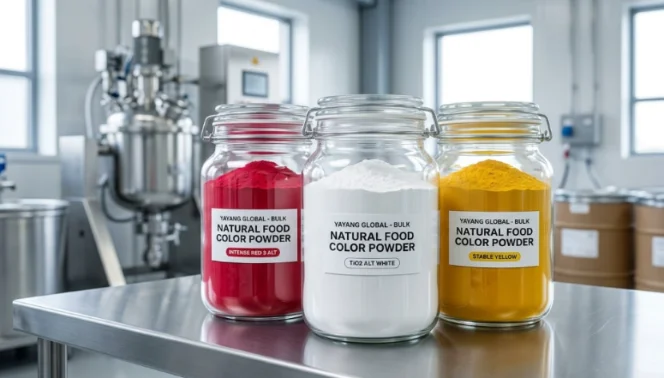
How Do You Replace Red 3 Without Losing Vibrancy in High-Heat Processing?
Red 3 is famous because it survives rough factory floors. It stays bright pink if you freeze it or boil it. But when you start replacing Red 3 without losing vibrancy, you learn a harsh truth. Many natural reds break down very easily. Colors from radishes or cabbage will change fast if your water acid level is just a bit wrong.
How do you survive a 400 degree oven? You need smart color tech. Look for very strong food coloring powders made just to handle high heat. Some cool new types use tiny shells. These shells wrap the natural color up tight. It keeps the heat and light out. Sure, you will spend a few days testing the right amount to add. But a tough natural red keeps your snacks from looking old and faded at the store.
How to Future-Proof Your Ingredient Supply Chain?
Do not wait for a huge product recall to fix your recipes. Check your whole ingredient list today. Call the people who sell to you. Ask them how they plan to handle the FDA synthetic food dyes phase-out. If they stutter or act confused, drop them. Go find new partners.
Ask for free boxes of natural food coloring solutions this week. Put them through your worst factory tests. Leave them out in the sun. Dump them in sour liquids. Bake them at high heat. Finding a perfect color match takes a few factory runs. Lock in a safe supply chain now. This guards your sales while other brands run around in a panic trying to pay off fines.
FAQ
Q1: What is the fastest way to replace Titanium Dioxide in panned candies?
A: The best way is mixing rice starch and safe calcium powders. You will need to tweak your coating steps a little bit. Add a bit more powder than before. This gives you that thick white finish that E171 used to make.
Q2: Will natural food coloring powders change the flavor of my baked goods?
A: That depends a lot on the powder quality. Cheap natural colors taste like dirt or roots. High end food coloring powders strip all those bad flavors out. They leave only the pure color behind. Your original cake flavor stays perfectly safe.
Q3: Why did my natural red dye turn purple in my beverage formulation?
A: Natural red colors hate acid changes. If your drink is very sour, plant reds will change shapes. They turn from bright pink into dark purple or blue. You must pick a color made exactly for your drink’s acid level.
Q4: How long does it typically take to fully reformulate a product line with new colors?
A: Plan for at least four to six months. You need time to buy new powders and run small lab tests. Then you must let the food sit on a shelf to see if the color fades. Finally, you have to print new boxes with the new ingredients.
Q5: Are clean label food colors more expensive than synthetic dyes?
A: Yes, natural colors cost more per pound upfront. But think about the hidden costs. What happens if you break the law? You pay huge fines. Stores kick your items out. Safe colors are a must have cost to keep your factory open in 2026.