
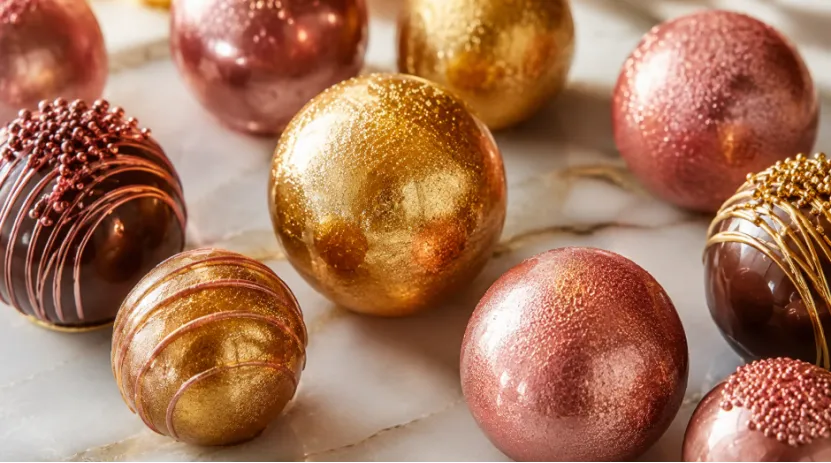
Learning how to use luster dust on chocolate sounds easy until a smooth shell turns patchy, dull, or wet. Chocolate carries surface fat, reacts badly to moisture, and shows tiny brush marks under strong light. Gold is especially unforgiving. Start with fully set chocolate, choose edible luster dust for chocolate, and apply light layers rather than one heavy coat.
Check that the label says edible or food grade. “Non-toxic” does not mean edible. YAYANG’s E171-free edible luster dust is described as food-grade, titanium dioxide-free, vegan-friendly, common allergen-free, and taste-free. You can brush it onto a dry surface or mix it into paint.
Can You Put Luster Dust Directly on Chocolate?
Yes, but the chocolate must be firm, dry, and close to room temperature. How to apply luster dust to chocolate depends on the finish you want. Dry powder gives a soft shimmer. Wet paint creates stronger coverage. Powder brushed inside a mold produces fewer visible strokes.
Choose the Right Dust
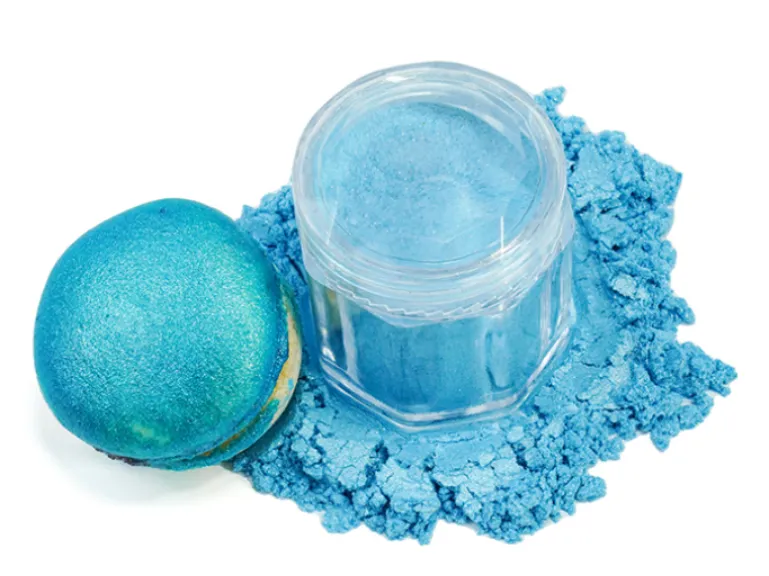
Use food-grade luster dust for chocolate, not craft pigment. Fine particles tend to sit more evenly on bonbons and detailed molds. Gold, silver, rose gold, copper, pearl, and brighter shades are available across the edible luster dust range.
How Should You Prepare the Chocolate?
Good preparation prevents most finish problems. If the chocolate is warm, oily, dusty, or damp, even metallic luster dust for chocolate may look uneven.
Let the Chocolate Set and Warm Gradually
Use properly tempered chocolate and let it set completely. Wear food-safe gloves because one fingerprint can become a dull patch. If the chocolate was refrigerated, leave it in a sealed container until it reaches room temperature. This is the simplest answer to how to prevent condensation on chocolate. Opening the box too soon lets warm air meet the cold surface and form droplets.
Do not brush away moisture on chocolate. Let it dry naturally. Decorating cold chocolate is a tempting shortcut, but usually a bad one.
Which Application Method Should You Use?
The best method changes with the shape and color depth. A tiny truffle may need ten seconds of brushing, while a large sphere exposes every uneven stroke.
Dry Brushing
To learn how to dry brush luster dust on chocolate, put a little powder on a clean palette, load a soft brush, and tap off the excess. Use light circles and build the color slowly. This works well for luster dust for chocolate truffles and luster dust on chocolate-covered strawberries.
Wet Painting
For how to paint chocolate with luster dust, start with powder and add a food-safe, fast-drying painting medium one drop at a time. What to mix with luster dust for chocolate matters because too much liquid leaves streaks. The mixture should move from the brush without running.
Apply one thin coat in a single direction and let it dry before adding another. This suits luster dust on chocolate spheres and luster dust on hot chocolate bombs. For luster dust on chocolate without alcohol, use a suitable edible confectionery medium or dry brush instead.
This also covers how to make gold chocolate and how to paint chocolate gold. Paint a thin base, let it dry, then polish with dry gold luster dust on chocolate.
Mold Application
How to use luster dust on chocolate molds is straightforward. Sweep a tiny amount into a pristine, moisture-free cavity. Tap out extra powder. Next, pour in your tempered chocolate. Luster dust in chocolate molds appears sleeker. This happens because the rigid mold dictates the texture.
How Can You Prevent Streaks and Poor Adhesion?
Most luster dust streaks on chocolate happen for specific reasons. You might use excessive product or heavy paint. Brushing repeatedly causes issues too. Sometimes, the initial layer is just too damp. How to apply luster dust without streaks relies heavily on restraint. Two sheer layers always outperform a single heavy one.
Fix Common Surface Problems
If you see luster dust not sticking to chocolate, look for water droplets, oily fingerprints, or a slippery exterior. How to make luster dust stick to chocolate might demand a delicate coat of edible paint. Afterward, simply buff it dry.
Uneven shading suggests powder clumped in one area. A muted finish indicates excess moisture. Allow it to air out completely. Then, tap on some dry dust and buff lightly.
How Do You Prevent Chocolate Bloom?
How to prevent chocolate bloom begins with proper tempering and consistent storage. Fat bloom on chocolate connects to fragile fat crystals, flawed tempering, or shifting climates. Meanwhile, sugar bloom on chocolate starts when dampness melts exterior sugars. Once that moisture evaporates, gritty crystals remain. Condensation is a notorious culprit here.
Store Finished Pieces Carefully
Keep decorated chocolate sealed in a cool, dry place away from light and strong odors. If refrigeration is necessary, use an airtight container and let it warm before opening. Luster dust cannot repair severe bloom. A rough or greasy surface should be melted and tempered again when appearance matters.
A Practical Supplier Note about YAYANG
Consistent results depend on repeatable color, fine powder, and clear product information. YAYANG has more than 20 years of experience in effect pigments. Its OEM and ODM services include custom colors, samples, labels, packaging, and large or small orders.
Its chocolate-suitable range includes E171-free options in metallic, pearl, and vivid shades, used by dry brush or mixed liquid. These capabilities suit bakeries, chocolatiers, importers, and private-label sellers that need stable finishes across products and batches.
FAQ
Q1: How do you use luster dust on chocolate?
A: Begin with firm, moisture-free chocolate. Dry brush it for a soft glow. Alternatively, paint sheer layers for bolder shades. Or, sweep powder directly into a mold.
Q2: How do you make chocolate look metallic?
A: Brush on a delicate, damp coat. Let this air out. Finally, buff the surface using dry powder.
Q3: Why won’t luster dust stick to chocolate?
A: The surface may be oily, cold, damp, or too smooth. Remove condensation and use a thin edible paint base if needed.
Q4: Can you refrigerate chocolate with luster dust?
A: Yes. Seal it first and let the closed container reach room temperature before opening.
Q5: Is luster dust safe for chocolate?
A: Only when it is clearly labeled edible or food grade and lists ingredients suitable for food use.