
Holiday shoppers buy with their eyes first. A beer that catches the light in a clear glass or a wine that turns the pour into a small event can earn attention in a crowded seasonal set. The commercial opportunity comes from pairing that visual effect with a tight release window, a clear serving ritual, and a product people can photograph and share.
Why Do Limited-Edition Glitter Beers and Shimmering Wines Attract Holiday Buyers?
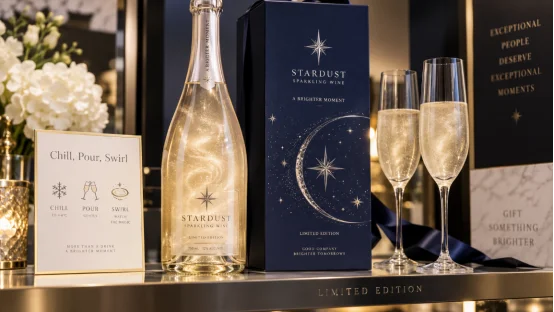
Seasonal branding works when the drink, package, message, and sales window point to the same occasion. A winter release can use a silver shimmer, a midnight-blue label, or a gold pour, then repeat that cue across the tap list, shelf talker, gift box, and social content. The effect gives staff a simple story to tell at the bar and gives shoppers a reason to buy the seasonal item now.
Build a Short, Specific Occasion
Choose one use moment, such as a New Year toast, a holiday dinner, or a gift exchange. Name the serving size, the garnish, and the date range. “Pour, swirl, and toast at midnight” gives a team a repeatable service line. A vague winter theme leaves the customer to do the work.
Turn the Pour Into a Demonstration
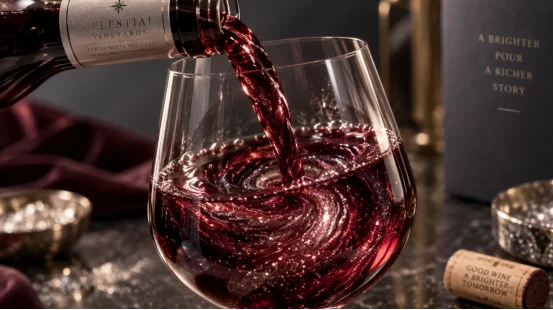
Film the actual drink in the actual glass. Show the powder moving through the liquid after a gentle swirl. A ten-second clip often explains the product better than a long description. Keep the effect visible in normal bar lighting because customers will judge the drink at a table and in a studio.
How Should You Develop the Glitter Beer or Shimmering Wine?
Treat the glitter as a food ingredient with a defined specification. The base drink, dose, mixing method, hold time, and glass shape all affect the result. Start with a small bench test, record what happens, then move to a controlled pilot before you print thousands of labels.
Select the Right Edible Beverage Glitter
Use a food-grade or edible product approved for the destination market. Request the ingredient statement, allergen information, lot format, storage conditions, and use instructions. Edible luster dust can behave differently in acidic wine, carbonated beer, syrup-heavy cocktails, and low-alcohol drinks, so test each planned recipe.
Run a Beverage Batch Testing Sheet
Record the recipe, dose, liquid temperature, mixing energy, glass or bottle, and appearance at five minutes, thirty minutes, and the longest planned hold. Check color, settling, foam, carbonation, and mouthfeel. If the drink is canned or bottled, test the filling process and inspect the package after transport simulation. Keep an approved sample for every revision.
Protect Shelf Life and Handling Quality
Heat, humidity, light, and repeated air exposure affect powder performance. Store the container in a cool, dry area away from steam, sinks, warm filling lines, and strong odors. Keep the lid closed and use a clean, fully dry scoop. A clump can signal moisture entry, so hold that lot for review and keep the clump out of the main pack.
How Can You Package and Price a Seasonal Release?
Packaging should make the limited run easy to spot and easy to serve. A clear bottle, foil detail, or small viewing window can reveal the shimmer. Add a serving instruction that fits the product: “Chill, pour, and swirl gently.” Place the lot code, best-before date, ingredient information, and any required warning where staff and buyers can find them.
Set a Price From the Full Cost
Add the glitter, testing, special closures, labels, cartons, freight, sampling, and expected waste to the liquid cost. Then choose a price that matches the serving experience and release size. A 500-case pilot may carry a higher unit cost than a core product, yet it gives you a measured read on demand. Use a numbered batch or stated end date to make the limited quantity real.
Create a Giftable Retail Moment
Place the seasonal bottle beside the glasses, garnish, or gift sleeve needed for the ritual. For beer, a four-pack with a short serving card can work near party foods. For wine, a two-bottle set can pair a sparkling style with a dessert or toast cue. Keep the display readable from a few steps away and repeat the same color cue online and in store.
How Do You Launch the Product Without Operational Surprises?
The launch plan should connect purchasing, production, service, and sales. Seasonal demand rises quickly, then drops when the occasion passes. A small first run, a fixed reorder date, and a daily stock check help you protect cash and keep the promise made in the campaign.
Train Staff on One Service Method
Give staff a one-page prep sheet with the approved dose, tool, glass, mixing motion, and hold time. Show the visual target with a reference sample. Ask them to record the lot used on the shift sheet. That simple record supports batch traceability when a customer asks about a particular bottle or pour.
Track the Signals That Guide the Next Run
Watch sell-through by day, attachment rate with food or gifts, repeat orders, customer questions, breakage, and complaints about settling. Compare the first weekend with the final week. A post-holiday review should answer three practical questions: which serving moment sold, which package moved, and which step slowed the team.
Keep Claims Specific
Describe the visible effect and the serving method. State the edible use and the market documentation you hold. Avoid claims that imply a health benefit or a universal performance result. Your label, menu, product page, and staff script should use the same approved wording.
Which Edible Glitter Supply Details Support a Reliable Holiday Run?
Your supplier discussion should focus on the exact seasonal drink and its test requirements. Ask for a sample in the planned base, the recommended use level, pack size, storage guidance, and documentation for the destination market. Confirm how the supplier identifies lots and handles a quality question after delivery.
For a focused starting point, review the edible luster dust range and request the product details for the color and particle style you plan to test. YAYANG can support a practical review around sample approval, ingredient information, pack configuration, and lot records. Those details connect directly to your batch testing sheet, storage routine, and release file.
The YAYANG website provides a route for a product and documentation inquiry when you are ready to compare a seasonal specification with available options.
FAQ
Q1: Is edible beverage glitter safe for beer and wine?
A: Use a product sold for edible food or beverage use in your destination market. Check the ingredient statement, instructions, and local labeling rules, then run a test in the finished drink.
Q2: How much glitter should go into a serving?
A: Follow the supplier’s stated use level and confirm the dose through a small batch test. Record the dose that gives the intended appearance while the drink keeps its planned texture and service flow.
Q3: How should you store edible glitter during a holiday launch?
A: Keep it sealed in a cool, dry, low-odor area. Use a dry dedicated scoop, close the container after each portion, and record the lot and opening date.
Q4: How early should you launch a limited-edition glitter drink?
A: Set the launch from your production lead time, label approval, testing schedule, and holiday selling window. A pilot several weeks before peak traffic gives you time to correct the recipe and train staff.
Q5: How can a small beverage business measure the release?
A: Track daily sell-through, gross margin, attachment sales, service time, stock loss, customer comments, and reorder requests. Review those figures against the batch size and release dates before planning another seasonal run.