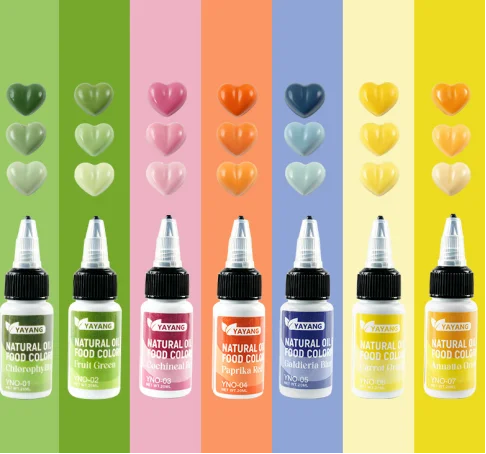
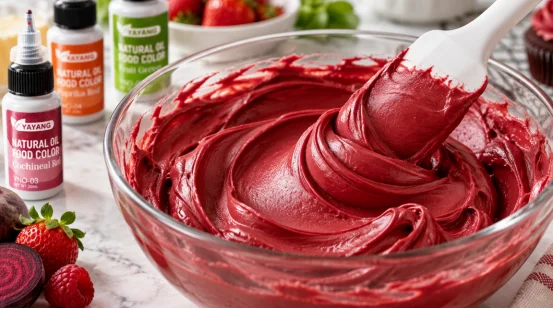
Source natural oil-based food coloring in bulk. Compare carotenoid and annatto colors, MOQ, per-kg pricing, carrier oils, and lead times for food prod...
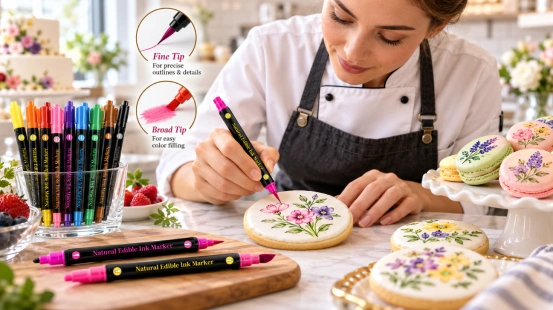
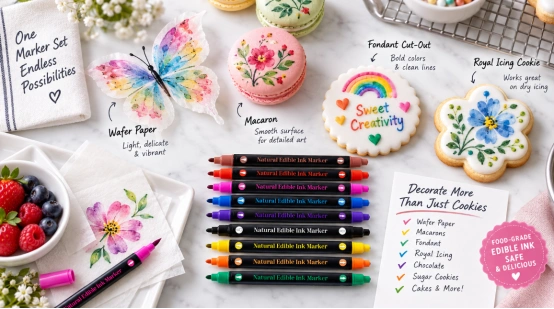
Are natural edible ink markers food safe? Learn key import regulations, FDA & EU compliance, food-contact specs, and safety certificates before placing...
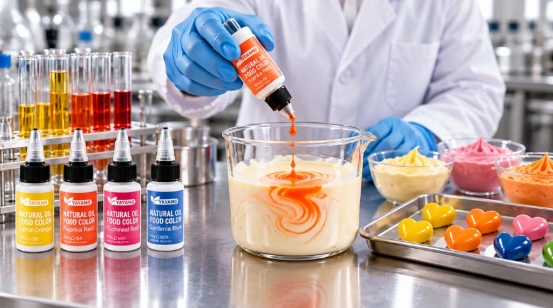
Discover why chocolate seizes when colored and how natural oil-based food colorings ensure smooth, vibrant results in cocoa butter and white chocolate...
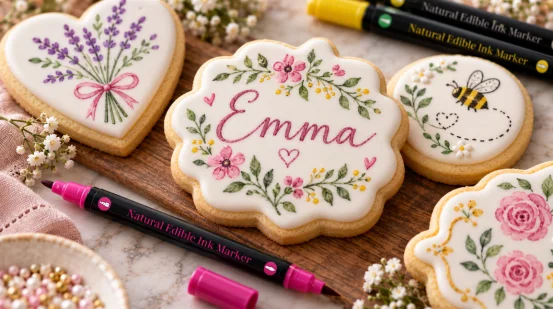
Increase your bakery's per-order value with personalized cookies. Learn smart pricing and efficient decorating tips using edible ink markers to maximize...
A pen that glides across dry royal icing may drag on fondant, crack a macaron shell, or leave a wet patch on wafer paper. The ink is only part of the result....
Why Do High-Fat Frostings Need a Different Coloring Method?
Butter, cocoa butter, and heavy cream build a silky frosting texture. Furthermore, these ingredients...