
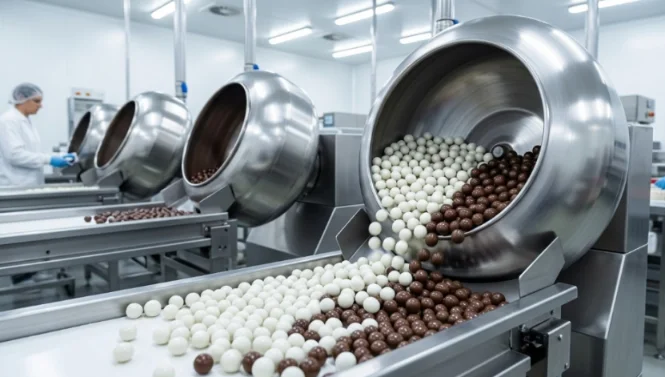
The fallout from the European Union banning E171 hit the food supply chain very hard. Now in 2026, the shockwaves are still very real across the industry. Factory managers and candy makers face a huge nightmare. If you keep using this disputed chemical, you risk massive fines and losing your spot on major store shelves. The panic running through the market is completely valid. Changing a famous candy recipe is a scary thing to do. But this forced change is actually a great time to upgrade your ingredient list. You simply have to find reliable titanium dioxide alternatives in food to keep the factory running smoothly. Securing a solid E171 replacement in candy recipes lets you keep your sweet products looking bright and fully legal worldwide.
The Global Ripple Effect of the E171 Ban on Confectionery
What started as a strict European rule quickly jumped across the ocean. Lawmakers in places like California are pushing hard with new local food safety bills. This creates a giant mess for any factory shipping goods internationally. You cannot easily run two different ingredient lines in one facility just to meet different local laws. Running an EU compliant batch on Monday and a US batch on Tuesday means you have to deep clean the giant mixing machines in between. It wastes water, time, and money. The cost of running dual formulas destroys profit margins very quickly.
Shoppers also read ingredient labels much closer today than they did five years ago. They actively look for clean label candy ingredients and reject items loaded with old chemical numbers. Parents do not want to feed their kids artificial lab chemicals. To survive this shift, factory buyers must switch to global FDA compliant food pigments that pass border checks everywhere. It is the only way to protect your international sales and keep your brand out of negative news stories.
What Makes a Good White Pigment for Candies?
Finding a basic white powder is pretty easy, but finding one that actually works in a massive commercial mixer is a totally different story. Factory buyers need to look closely at three main details before signing a bulk contract with a new supplier.
High Opacity for Dark Centers
This was the magic of the old chemical. It covered absolutely everything. If you make hard candy shells covering dark chocolate or dark fruit paste, you need a high opacity white food color. Weak powders just look gray or slightly yellow when applied over a dark center. Think about panning drums where candies tumble for hours. The new material has to build a thick wall and block out the colors underneath completely so the final red or blue shell looks bright.
Neutral Flavor Profile
Nobody wants a chalky taste in their mouth after eating a premium mint or a sweet gummy. Some cheap mineral dusts or heavy starches leave a really bad, dry feeling on the tongue. Your replacement choice must have absolutely zero taste and zero smell. The flavor of the sweet treat has to remain exactly the same as the original recipe, otherwise loyal customers will complain online.
Heat and Light Stability
Candy boiling vats get incredibly hot during a normal shift. Then, the finished sweets sit under bright supermarket lights for months waiting to be bought. The coloring agent cannot break down, turn brown, or fade away during this long journey. It has to survive extreme heat and long shelf life demands without changing its basic chemical structure.
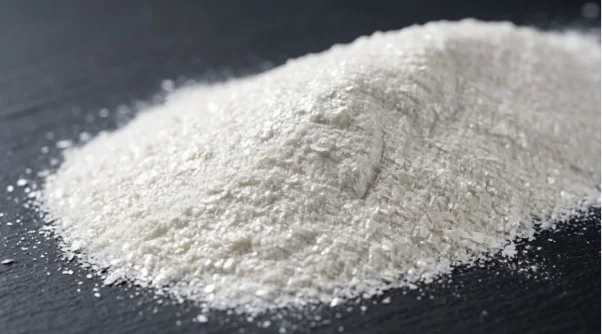
Emerging Titanium Dioxide Alternatives in Food for 2026
The food science world did not just sit still when the bans started rolling out. Labs and ingredient suppliers rushed to create better options. Here are the top materials factories are testing right now.
Cellulose Based Innovations
Some labs are doing wild things with plant fibers right now. They found a way to make tiny cellulose parts scatter light. This light trick makes the human eye see a bright white color. It is a very new technology. Getting it to flow right in giant syrup vats is still a bit tricky for some older factories, but it shows huge promise for the future of clean labels.
Rice Starch and Calcium Carbonate Blends
This is the fast fix a lot of medium sized plants grab first. Mixing fine rice starch with calcium carbonate creates a basic safe white food coloring. It is cheap and easy to find globally. The big problem here is the grinding process. If the factory making it does not grind the powder extremely fine, your candy gets a rough, sandy texture that ruins the eating experience.
High Grade Food Safe White Mica
For premium treats like wedding almonds, shiny gum balls, or fancy fondant, white mica is stepping up as a massive winner. Natural mica minerals can be cleaned and processed into very bright food grade white powders. They give a fantastic coverage layer. Plus, they add a really nice pearl glow that regular flat white dyes just cannot match. Some top suppliers like YAYANG are helping factories switch to this beautiful mineral to give their candies a luxury finish.
Source Fully Compliant Food Pigments for Your Factory at YAYANG
Changing a massive factory recipe always brings a bit of chaos. Your success completely relies on finding a raw material supplier who never misses a detail. When the rules keep changing, you need a partner with a flawless track record. YAYANG is exactly that kind of partner for large scale food production. They specialize in safe, highly refined color materials for the global market. They focus entirely on providing compliant options that pass the toughest border checks.
If your production line needs a bright white coating or a rich pearl finish, their food category items deliver exact color matching every single time. They know how to handle massive bulk shipping, which means your production line never stalls waiting for late materials. Picking a supplier like them takes the guesswork out of the transition. It lets your recipe makers focus on taste instead of fighting with bad pigments that ruin the batch.
FAQ
Q1: Why was E171 banned in some places?
A: Health groups raised concerns that the tiny particles might build up in the body over time. To stay safe, many countries decided to ban it from being added to foods and drinks.
Q2: Can I just skip adding a white layer to my candy?
A: Usually no. The white layer acts as a blank canvas. If you skip it, the final bright colors like red or yellow will look dull and dark because the center color shows through.
Q3: Is calcium carbonate safe to eat daily?
A: Yes. It is a very common earth mineral. People actually take it all the time as a basic calcium supplement for bone health.
Q4: How hard is it to switch a factory line to a new powder?
A: It takes a few test runs. Different powders mix differently in hot syrup. Your team will have to adjust the mixing times and the liquid ratios to get the smooth finish right.
Q5: Does white mica leave a strong metallic taste?
A: Not at all. High quality food grade mica is totally flavorless. It just adds a nice smooth visual glow without messing up the sweet flavor of your product.