
Wine holds inherent visual appeal. Yet, tasting rooms and wedding bars often require a striking detail. Guests should notice it immediately. Edible glitter for wine serves this exact purpose.
Selecting the proper dust is tricky. It must never turn clean white wine hazy. It cannot vanish inside red wine, either. Furthermore, flavor alterations are unacceptable.
You must evaluate exact dosage and settling rates. Food safety remains critical. Additionally, commercial projects require suppliers capable of fulfilling repeat orders. Consider these factors before adding sparkle to the glass.
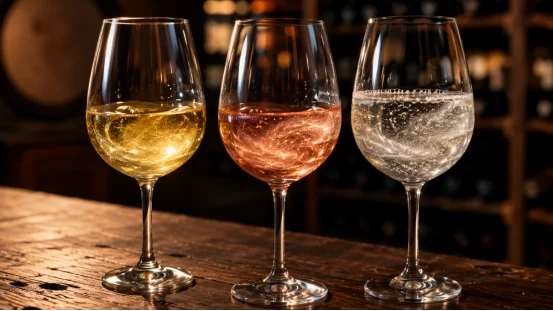
What Is Edible Glitter for Wine?
Edible glitter for wine is a food grade shimmer product intended to create a sparkling or swirling effect in a beverage. It is different from decorative craft glitter. If the product will be consumed, you should choose food grade glitter for wine made specifically for food use.
Fine edible luster dust is particularly useful when you want a softer shimmer rather than large visible flakes. Terms such as wine glitter, edible wine glitter, glitter for wine, and wine shimmer powder may describe similar effects, but the ingredient specification matters more than the name on the listing.
What Are the Best Edible Glitter Colors for Wine?
Wine color changes how shimmer appears. A shade that flashes clearly in Pinot Grigio can nearly disappear in a deep red wine. Lighting matters too. A wedding venue with warm lights can make gold look richer than it does under bright production-room lighting. Small details, but they show up fast in a real glass.
Gold for White Wine
Gold edible glitter for wine provides an excellent baseline choice. It suits numerous light-bodied varieties perfectly. This dust lends white wine an upscale, inviting appearance. Furthermore, it completely avoids harsh color clashes.
Consider gold, silver, or soft pearl finishes when evaluating edible glitter for white wine. Lighter options generally outshine heavy, dark hues. Gold fits beautifully into wedding receptions and festive holiday pours.
Rose Gold for Rosé Wine
Rose gold edible glitter for wine complements blush vintages seamlessly. Their hues align well. Meanwhile, the metallic flash creates dynamic motion.
Regarding edible glitter for rosé wine, rose gold highlights bridal showers and spring releases perfectly. Standard pink or gold dusts function adequately too. However, always test them mixed in the liquid. Never evaluate based solely on the dry powder.
Silver for Light and Sparkling Wine
Silver edible glitter for wine creates a cooler, cleaner look. It suits winter events, New Year’s service, modern venue themes, and pale sparkling wines.
A product range such as 30 Colors Fine Edible Luster Dust also gives you Gold, Rose Gold, Silver, Pink, Red, Blue, and other shades when a standard metallic color does not fit the project.
Choosing Glitter for Red Wine
Choosing edible glitter for red wine takes a little more testing. Dark liquid can hide subtle shimmer. Brighter gold, silver, or other high contrast metallic tones are often easier to see.
The best glitter for red wine is ultimately the shade that remains visible in your exact wine under the light where it will be served.
How Much Edible Glitter Should You Add to Wine?
If you are asking how much edible glitter for wine is enough, start small. Fine shimmer can become visually strong surprisingly quickly.
There is no sensible universal dose for every wine and every powder. The right edible glitter dosage for wine depends on particle size, color strength, wine color, serving volume, and the effect you want.
Start Small and Add More Only When Needed
For a single glass, add a small amount, stir gently, then check the appearance. If the shimmer is too subtle, add a little more.
For a full bottle or event batch, test a smaller sample first. Too much powder can make a drink look heavy rather than elegant.
If you are learning how to use edible glitter in wine for commercial service, record the amount used in successful tests. A standardized dose makes event service and batch preparation far more consistent.
Does Edible Glitter Sink in Wine?
Does edible glitter sink in wine? Some edible shimmer can gradually settle when the drink sits still. That does not automatically mean something is wrong with the product.
Particle size, wine composition, movement, and serving time all affect what you see. Buyers also ask, does edible glitter settle in wine after several minutes? In many formulas, some settling over time is possible.
Fine texture can help create a smoother visual effect. Gentle swirling can bring the shimmer back into motion. If your goal is how to keep edible glitter suspended, test the product in the finished wine rather than in water. The two liquids do not behave exactly the same.
Commercial developers searching for edible glitter that stays suspended in drinks should run holding tests before launch, especially if the wine will be bottled or prepared well before service.
Does Edible Glitter Change the Taste of Wine?
Does edible glitter change the taste of wine? It should not become the main sensory feature of the drink. Wine producers spend too much time balancing aroma and flavor to let decoration get in the way.
When comparing products, check taste, odor, particle feel, and dispersibility. If you are also asking does edible glitter affect wine taste, a tasteless edible glitter is the more practical choice for wine projects.
The goal is simple: edible glitter without changing taste should provide visual impact while letting the wine remain the reason people take the next sip.
Is Edible Glitter Safe for Wine?
Is edible glitter safe for wine? True safety requires picking items made strictly for consumption. You must verify those ingredients match your local market.
Wineries and event planners must treat food safe glitter for drinks as an actual recipe component. Do not view it as mere visual trim. This rule holds true when buying edible glitter for alcoholic drinks.
Food Safety Goes Beyond Basic Labels
Bulk purchasers must investigate the actual powder supplier. Paperwork and lab testing are vital. Food safety certificates matter immensely once you scale up from single parties to daily production.
BRCGS certification is particularly relevant to professional food supply chains because the BRCGS Global Standard for Food Safety addresses food safety, quality, legality, and operational controls. When comparing a food grade edible glitter supplier, certification gives you another useful point to check during supplier qualification.
Regulations can vary by country and final beverage formula, so commercial wineries should confirm local requirements before launch.
How Should You Use Edible Glitter in Wine?
The simplest method is usually the best. Add the shimmer to the wine, stir or swirl gently, then check the effect under serving conditions.
For bottled products or winery events, run a small trial first. Look at color, taste, mouthfeel, settling, and the appearance after the wine has stood for a while. For edible glitter for sparkling wine or edible glitter for champagne, test the real beverage because bubbles can change how the shimmer moves.
If you need edible glitter for wedding wine or edible glitter for winery events, prepare a repeatable serving method before the event starts. Nobody wants staff guessing the dose when 80 glasses are waiting.
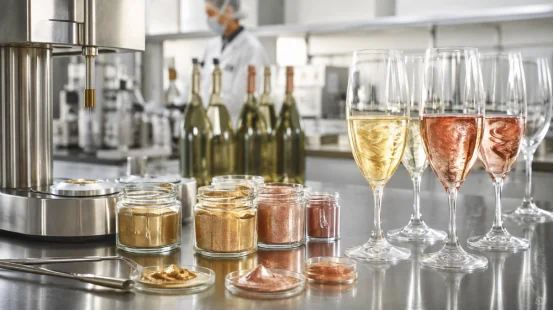
Choosing a Supplier for Commercial Wine Projects
Once a wine glitter concept moves beyond a few test glasses, supplier capability matters almost as much as color. A winery sourcing bulk edible glitter for wine needs consistency, documentation, testing support, suitable order quantities, and access to repeatable shades.
YAYANG produces food grade edible luster dust for beverage and food applications. Its fine luster range includes 30 metallic colors such as Gold, Rose Gold, and Silver, and the product is described as food grade and tasteless. The company supports customization plus large or small orders.
For buyers comparing an edible glitter manufacturer or wholesale edible glitter for wine supplier, there is also a quality-control side to consider. YAYANG operates a QC function and laboratory testing process, provides product documentation, and lists BRCGS certification among its certifications. More detail on its production controls is available through its quality management information.
That combination is useful when you need samples first, then a repeatable wholesale edible glitter supply after the formula is approved.
FAQ
Q1: Can You Put Edible Glitter in Wine?
A: Yes, provided you use edible glitter specifically intended for food and beverages. Test edible glitter in wine before larger-scale use to check color, taste, and settling.
Q2: What Color Edible Glitter Looks Best in Wine?
A: Gold and silver work well in many pale wines, while rose gold suits rosé. Edible shimmer for wine should always be tested in the actual liquid because wine color affects the final appearance.
Q3: How Much Edible Glitter Should I Add to Wine?
A: Start with a small amount and build the shimmer gradually. How much edible glitter should I add to wine depends on the product, serving size, wine color, and desired effect.
Q4: Does Edible Glitter Affect Wine Taste?
A: A suitable food grade product should focus on visual effect rather than flavor. For wine, choose a tasteless option and test it before commercial use.
Q5: Where Can Wineries Buy Edible Glitter in Bulk?
A: Look for an edible glitter supplier that can provide food grade products, samples, documentation, consistent colors, commercial order support, and relevant food safety credentials. For repeat production, a bulk edible glitter supplier with customization capability can also make color matching and future orders easier.