
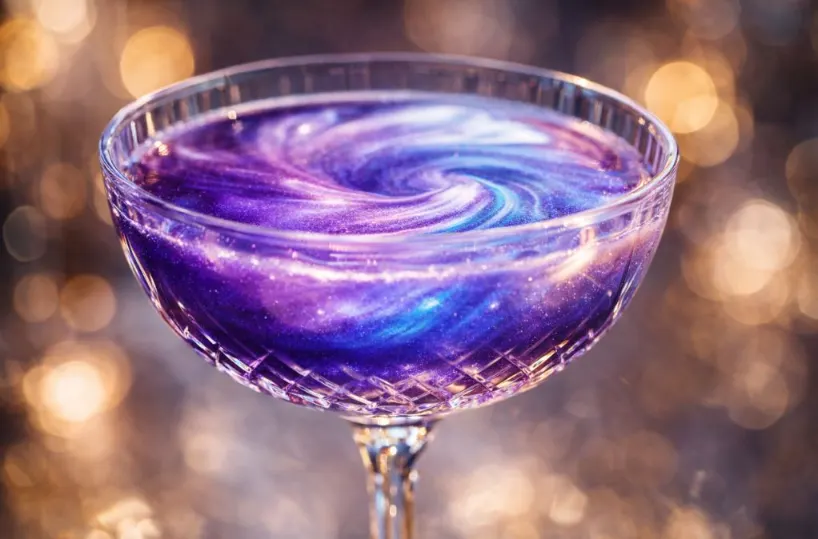
 Hey there! You have probably spotted those neat galaxy drinks or shiny cupcakes on social media. They seem great, and you feel like trying them at home. It sounds enjoyable, but when you head to the store, stuff gets tricky. You find jars marked “Edible.” Others say “Non-Toxic.” Some show small print that reads “For Decoration Only.”
Here is the real story: not every glitter works the same way. Getting them mixed up isn’t only about the appearance; it’s a true safety concern. You wouldn’t shave a plastic bottle over a party cake. Still, lots of “glitter” items for baking come from that very stuff. In this guide, we will sort out the mess. We are going to check if edible glitter is safe, how to catch the “plastic trap,” and guide you to safe, food grade decorating ingredients. This lets your treats glow, and you skip worries about what your pals eat.
The Big Lie: “Non-Toxic” Does Not Mean Edible
Labels rank as one of the toughest parts of cake decorating. You might figure anything near the sprinkles is okay to eat. Sadly, that isn’t always right. You need to grasp what these words mean under the rules. The gap between “safe to eat” and “safe near food” is big.
The Definition of “Non-Toxic”
“Non-Toxic” sounds harmless. But by law, it just means the item won’t harm you fast if you swallow it. Picture it like a crayon or a paper cover. If a child chews a crayon, they stay okay. But it sure isn’t food.
Most “Non-Toxic” glitters come from chopped plastic (PET). It goes through your body without bad effects, but it’s still an odd thing inside. It adds to microplastics in food decorating. Honestly, no one wants plastic in their meals.
The Definition of True Edible
On the flip side, “Edible” follows strict guidelines. To use this term, a product must count as a food additive okayed by groups like the FDA. Parts include items like sugar, acacia gum, cornstarch, or natural stones like mica.
When you wonder, “is edible glitter safe to consume?”, the reply is yes. But it has to show this exact label. These items get made in clean food spots. They dissolve in your mouth or pass through safely like roughage. They lack that rough, grainy feel of plastic.
The “For Decoration Only” Trap
This label tricks more. Often, you spot small print on the back that says “For Decoration Only” or “Remove Before Consumption.” This acts as a rule dodge. It lets firms sell plastic craft glitter for cakes. But face it. No one picks off each bit of glitter from a frosted cupcake before a bite. If you see this line, set the jar back.
Quick Comparison: Edible vs. Craft Glitter
They might appear alike to your eyes, but in makeup, they differ a lot. Here is a simple split to aid your pick.
| Feature | True Edible Glitter | “Non-Toxic” / Craft Glitter |
| Primary Ingredient | Sugar, Acacia Gum, Cornstarch, Mica (Minerals) | PET Plastic, Polyester, Aluminum |
| Safety Status | FDA Compliant (Food Additive) | Not FDA Approved for Food |
| Digestibility | Digestible or Passes Safely | Indigestible (Microplastics) |
| Label Warning | “Food Grade”, “Edible” | “For Decoration Only”, “Non-Toxic” |
| Texture | Melt-in-mouth or Soft | Gritty, Sandy, like eating plastic |
Check the Label: The 3 Red Flags
How do you tell if it’s the real deal or just plastic? You don’t need fancy tools. Just hunt for these three alert signs.
Red Flag 1: No Ingredient List
Real food has to show ingredients by rule. If a jar only says “Glitter” with nothing listed on the back, skip it. Good makers like to show stuff like “Mica” or “Sugar.” If they skip the list, they often hide plastic.
Red Flag 2: Vague Marketing Terms
Watch for words that cover up facts. Terms like “Non-Toxic,” “disco dust,” or “pixel dust” often push plastic. Unless you see “Edible” or “Food Grade” plain, think it’s not food. How to tell if glitter is edible? The label should almost say “Eat me.” It shouldn’t just say “I won’t harm you.”
Red Flag 3: Hexagonal Shapes
If you grab a close-up lens, check the small bits. Machines slice factory craft glitter into neat, same hexagons. True edible glitters vary. They often show odd flakes, mainly from natural stones. If it looks too neat, it’s probably plastic.
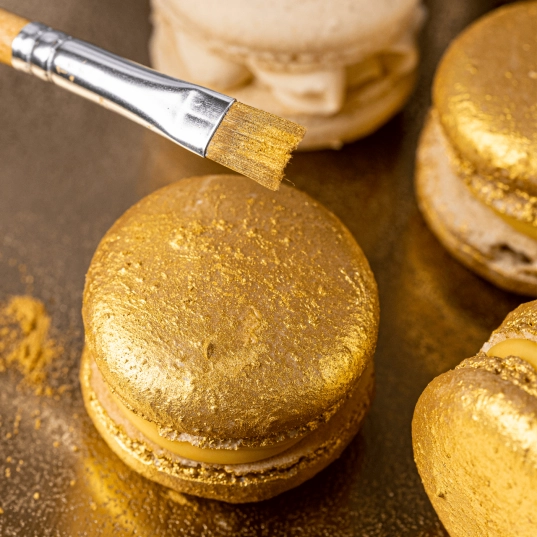
Why Mineral-Based (Mica) is the Best Choice for Drinks
If you make those popular glowing cocktails, you face a special hurdle. Liquids spoil many food decor types. Sugar kinds melt quick. Plastic kinds float like dirt on top.
The expert fix is mineral-based edible luster dust. These come from natural mica. They are like ground rocks. They don’t break in water or booze. Instead, they float in the mix. When you mix, the mica bits twirl. This makes a “liquid metal” shine that lasts.
You might ask, is edible glitter safe to drink if it’s made of minerals? Sure thing. Natural mica serves as a usual food add-in. But you need mica based edible glitter for drinks that is pure. It must get checked for heavy metals. This hands you a drink that looks wild but stays safe to drink.
Global Manufacturing & Compliance Partner
You might seek a spot you can trust. You don’t want to puzzle over odd labels each time. You should learn about YAYANG. Since 1999, YAYANG has worked as a focused maker of effect pigments. They put big effort into the food area.
Unlike random shops, YAYANG runs a GMP-compliant factory in Hangzhou, China. They don’t only sell glitter; they build safe color fixes. Their spot holds key stamps like ISO22000, ISO9001, and KOSHER. This means each group gets tight checks for clean. It fits FDA and EU safety rules.
Are you a brand, a bakery, or a home maker hunting plastic free edible glitter? YAYANG brings calm. You gain strong shine with the checked safety of a leading maker. You can reach our safety compliance team straight. Feel okay to check stamps or ask about mixes for your next work.
FAQ
Q1: Is edible glitter safe for pregnancy?
A: Most times, sure. If it carries an “Edible” stamp, the parts are basic stuff like sugar, acacia gum, or mica. These often work fine. Yet, each case differs. If worries pop up, it’s wise to chat with your doc.
Q2: Is edible glitter safe for dogs and cats?
A: Better to pass on it. For dogs, is edible glitter safe? It likely skips harm in small bits, but their guts react easy. For cats, is edible glitter safe? Skip it for sure. Cats pick up on extras quick. No point in chancing a trip to the vet over a sparkly snack.
Q3: Is edible glitter safe for the environment?
A: It hangs on your pick. Plastic “non-toxic” glitter counts as tiny plastic. It dirties the streams. But, is edible glitter safe for the environment when you grab the good type? Yep. Kinds based on minerals (Mica) or sugar break down naturally. They treat the ground kind.
Q4: How much edible glitter is safe to eat?
A: Keep it light, that’s the main thing. Just a small dash (under 0.1g) brings a bright shine. No one means to scoop it by the spoon. A quick sprinkle does plenty.
Q5: Can I put edible glitter in hot drinks like coffee?
A: Yep, mainly the type from minerals! Mica holds up to heat, so it stays put in warm coffee or tea. It brings a fun glow to your early sip, and taste stays the same.