
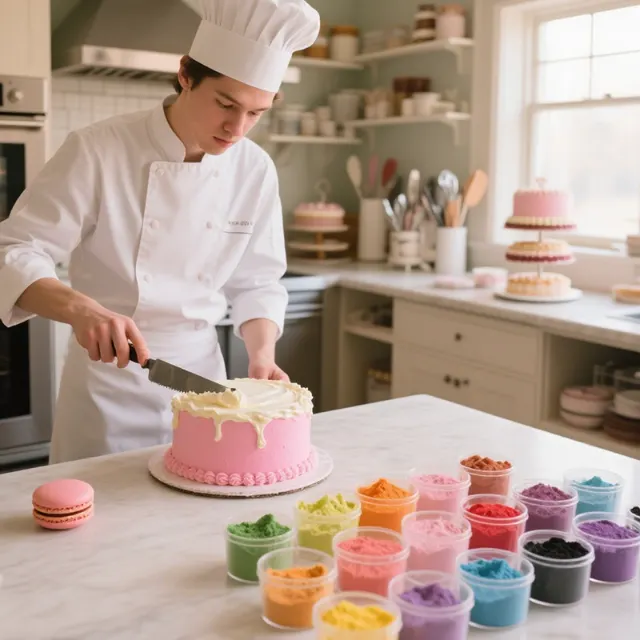
Hi, if you handle R&D, QA, or purchasing, you have probably seen this: trial samples look great, then the full batch of commercial food coloring fades, shifts, or fails a label check. It is frustrating, especially when you are working with natural food coloring powder that already costs more than synthetic colors. This handbook walks through what matters most for natural food coloring for commercial production, from stability on the line to cost on your spreadsheet.
Why Natural Food Coloring Matters in Today’s Commercial Food Production?
Natural color is no longer a “nice to have” for premium brands only. Clean-label, short ingredient lists, and consumer doubts about synthetic dyes all push factories toward clean-label food color solutions. At the same time, regulations and retailer audits keep tightening, which means you need reliable natural pigment behavior in processing, not just pretty color in a lab beaker.
Market Drivers Behind the Shift to Natural Colorants
Natural pigments come from plants, minerals, or microbes: anthocyanins from purple sweet potato and berries, carotenoids from marigold and turmeric, chlorophyll, gardenia yellow, and even fermented pigments.
They support fruit and vegetable color powders in drinks, dairy, baked goods, and confectionery, and fit well with natural coloring for commercial food production. For buyers, this shift means new suppliers, new specifications, and a need for a real buyer’s guide natural food colorants approach rather than copying old synthetic color habits.
How Natural Colors Differ From Synthetic Colors in Large-Scale Production?
On paper, natural vs synthetic color is a simple trade: natural is safer and more label friendly, synthetic is cheaper and stronger. In production, the gap is wider. Natural systems tend to have weaker natural food color stability and narrower shade range, yet sit at a higher price level and need more care.
Key Differences in Source and Functionality
Natural pigments are extracted from plants like beetroot, paprika, turmeric, gardenia, and marigold, or produced by microorganisms such as red yeast. Synthetic dyes are petrochemical in origin.
Natural red pigment, natural yellow pigment, and even natural blue pigment often come with flavor notes, pH sensitivity, or light reactivity that synthetic colors do not show. You need suppliers that can explain those limits clearly, not just send a color card.
Stability Constraints in Real Manufacturing Lines
Synthetic colors usually show strong color stability in food coloring across heat, light, and pH. Natural systems do not. Anthocyanins can turn from red to blue with pH changes. Gardenia and some carotenoids show oxidation and light fade.
This is where heat stability of natural pigments and pH stability of natural pigments stop being theory and start becoming your daily issue reports.
Technical Factors That Shape Color Stability in Industrial Use
When you choose food coloring for manufacturing, the main stress points are always the same: temperature, light, pH, and contact with metals or oxidizing ingredients. If you want to know how factories prevent fading and color shift, you look at these four first.
Heat, Light, and Oxygen Exposure
High-heat processing in baking, extrusion, retort, or frying can dull many pigments. Light on open conveyors and oxygen in headspace promote oxidation and slow loss of color strength over shelf life. Turmeric and some carotenoids handle heat better; others, like certain gardenia systems, need more protection from light.
The Strong Influence of pH on Pigment Behavior
Anthocyanins are classic markers of pH sensitivity. Acidic drinks keep them bright red or purple. Neutral doughs push them toward dull purple. A mild alkaline shift from baking soda can send them to blue or brown.
That is why natural coloring solutions for acidic foods and best natural colors for high-temperature foods are often two different product lists.
Metal Ions and Ingredient Interactions in Production Lines
Metal ion interaction from iron, copper, or calcium salts can catalyze oxidation or change shade. Emulsifiers, proteins, and starch systems also affect dispersion. In real industrial formulation work, you often discover these effects only during pilot tests, which is why sample trials and TDS review matter more than glossy marketing.
Application Guide for Natural Food Coloring Across Commercial Categories
The same pigment behaves differently in beverage coloring, bakery coloring, or frozen desserts. A short map helps you decide how to choose natural food coloring for commercial use without starting from zero every time.
Beverages, Dairy, and Fermented Drinks
Low pH drinks, yogurts, and fermented products work well with anthocyanins, beetroot, and gardenia yellow. Here you can get bright shades and good stability if you control processing steps. Natural coloring solutions for acidic foods often live in this category.
Bakery, Biscuits, and High-Temperature Products
In oven or fryer lines, you focus on pigments that survive high-heat processing. Carotenoids, turmeric, and some oil-soluble systems can be the best natural colors for high-temperature foods. Water-based plant based pigment powder may still work, but it needs testing in real oven curves, not just bench baking.
Ice Cream, Confectionery, and Low-pH Foods
Ice cream and frozen desserts sit near neutral yet see lower temperatures, while jellies and gummies can be acidic. Here anthocyanins, fruit-based colors, and natural colorant solutions tailored to sugar and gel systems show good results.
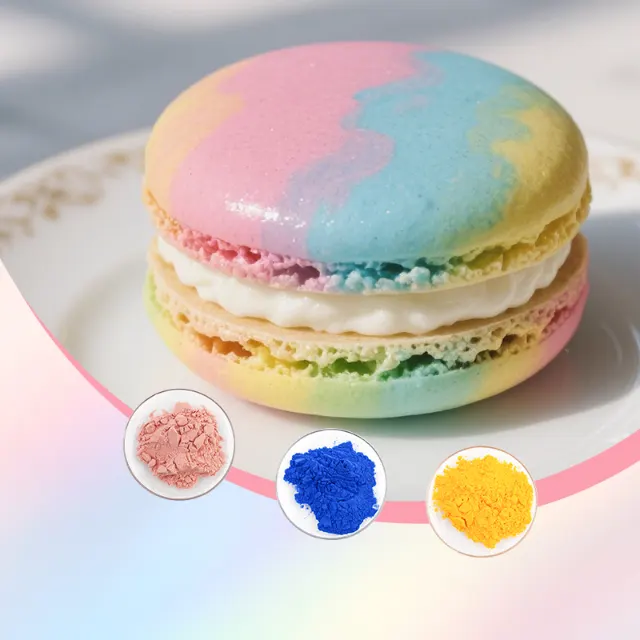
What Professional Buyers Must Request From Suppliers?
To run stable industrial food coloring solutions, you need more than a color name. You need clear quality specifications and full documentation. That is where many projects start to fail quietly.
COA, TDS, Color Value, and Microbial Data
Basic documents required for natural food color suppliers include COA with color value, heavy metals, and microbiology limits, plus TDS with recommended dosage, pH range, and processing notes. Your team should also ask how to evaluate stability in natural pigments for each item, and how it behaves with light, heat, and oxygen.
Certifications: GB 2760, ISO, HACCP, HALAL, KOSHER
For GB 2760 compliance, you must confirm allowed categories and maximum dosage in your target food type.
At the same time, ISO, HACCP, HALAL, and KOSHER documents support audits and market access. Large buyers expect a food-grade natural color supplier to have this ready before any large order.
Packaging, Shelf Life, and Storage Conditions
Most powders ship in 1 kg or 25 kg packs with typical shelf life of 12–24 months if kept sealed, cool, and dry.
Liquid systems often have shorter shelf life. Asking upfront about food-grade pigment options and storage helps prevent complaints at warehouse level.
How to Balance Performance and Cost in Natural Food Coloring?
Natural pigments cost more, so natural food color cost control strategy is not only about price per kilo. It is about color strength, processing loss, and complaint rate.
Choosing the Right Pigment Grade for Each Food Category
Use stronger grades or emulsified formats where process stress is high. Simpler, lower cost grades may work fine in mild applications. Matching pigment grade to category is how to choose natural food coloring for commercial use without overspending.
Preventing Waste and Cutting Cost Through Better Formulation Planning
Good planning cuts waste. If you choose stable pigments for each use, refine your industrial formulation, and test early, you reduce rework, color adjust batches, and returns. That matters more than shaving a tiny discount on bulk natural pigment powder.
Why Many Factories Prefer Long-Term Partners for Natural Coloring?
Most manufacturers do not want to switch suppliers every quarter. Natural systems are sensitive, and it takes time to tune each formula. Long-term partners that support trials, give fast feedback on failures, and bring new natural colorant solutions and food-grade pigment options save you more than a one-time low quote from a trader.
Technical Service and Rapid Problem Solving
A supplier that helps with how factories prevent fading and color shift, or that can explain natural pigment behavior in processing at your line conditions, soon becomes part of your extended team. That is worth a lot more than the label “wholesale natural food coloring” alone.
The Value of Consistent Supply and Traceability
Stable lots, clear batch records, and fast answers build trust. Over time, this is what supports natural coloring for commercial food production without constant fire-fighting.
YAYANG as Your Partner in Commercial Natural Coloring
YAYANG has worked in effect pigments since 1999, with a strong focus on food-grade systems such as shimmer powders, edible luster dust, and natural food coloring powder. For buyers in commercial foods, that means access to plant based pigment powder and natural colorant solutions that already consider heat, pH, and process stress. The company runs OEM and ODM projects, supports small test orders as well as larger food-grade pigment options, and offers clean-label food color solutions aligned with food regulations in major markets. With its own QC system, design support, and flexible packaging, YAYANG suits brands that want both creative color ideas and industrial food coloring solutions ready for line trials rather than only catalog samples.
FAQ
Q1: Why do some natural colors work in the lab but fail in full-scale production?
A: Lab trials are short and gentle. On the line, color meets longer heat, pH swings, metals, and oxygen, so it fades or shifts much faster.
Q2: How can you quickly check if a pigment is suitable for your process?
A: Read the TDS for pH and heat limits, then run a small pilot under real time and temperature. If shade holds there, you are on the right track.
Q3: What documents should you always ask a supplier for?
A: Always ask for COA and TDS. For bigger launches, add allergen, GMO, GB 2760 status, and HALAL or KOSHER files if your market needs them.
Q4: Is natural color always more expensive once you include total cost?
A: Not always. Unit price is higher, but stable colors that fit your process can cut rework, returns, and label issues, which saves money later.
Q5: When does it make sense to talk to a supplier like YAYANG early in a project?
A: When you plan a new drink, bakery item, or seasonal line that depends on color. Early input helps you pick pigments that work with your process, not against it.