
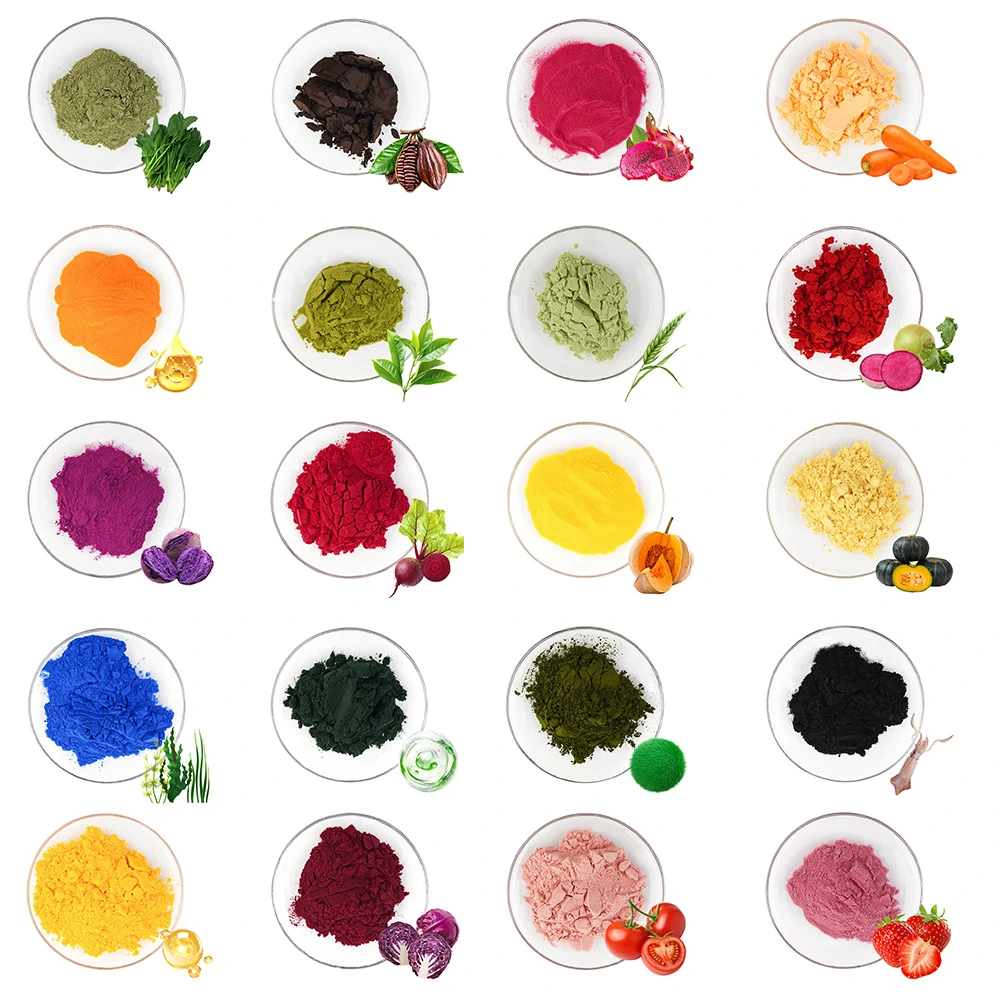
Color adds joy to everything. This is especially true in baking. Yet, if you make treats for children or craft edible items for health-focused buyers, those fake bright bottles may feel wrong. Natural food coloring powder steps in. These plant-derived shades give lively, pretty outcomes without added chemicals. You can mix rainbow cupcakes or tweak icing colors. All the while, your recipes stay pure and bright.
If you want solid choices here, check out YAYANG. This company has made effect pigments since 1999. They provide food-grade powders with strong color and no shortcuts. Their items come from GMP-certified plants. Plus, they meet FDA CFR 21 Part73, 74 & GRAS rules. What makes them special? Their edible shimmer powders and strong colorants are safe. They are also fun to use. See more on their official website. Need to talk to someone? Try their contact page.
What Makes Natural Food Coloring Powder a Safer Choice?
Baking ought to be happy. It should not cause worry. For pros and parents, fake dyes raise red flags. Natural food coloring powder lets you add punch to your work. And it skips the chemical haze.
The Concerns Around Artificial Food Dyes?
People question fake dyes more these days. And they have cause. Research ties some man-made colors to kid behavior problems. This includes extra energy in children. Take Red 3. It caught FDA notice because of cancer risks in animal tests. A few nations already ban certain fake colors. This highlights global safety worries.
Also, dye bottles list odd ingredients. Those long names often scare buyers. In a time when simple labels count, added stuff makes folks pause.
Health Benefits of Going Natural
Natural food coloring powders use familiar items. Think of turmeric, spirulina, beetroot, and blueberry. They are safe. Often, they pack plant nutrients too. 100% Natural Food Coloring Powder comes from plants. It gives lively, healthy swaps for fake colorants. Free from extras like preservatives and chemical helpers, they suit touchy tummies and kids with allergies.
A few powders keep health perks. Beetroot has betalains. These fight oxidation. So, you gain color plus benefits in one.
Where These Bold Colors Come From
No lab needed for great color. Nature offers a wide range of shades. And they are just as strong as you might think.
Common Plant-Based Sources of Color
Red shades come from beetroot or hibiscus. They yield deep red tones. These work well for frostings and glazes. Turmeric gives a clear yellow. Marigold flowers add a warmer gold. For green, use spinach powder or matcha.
Cooler colors? Butterfly pea flower makes a sharp blue. It turns purple with lemon juice. This happens due to pH changes. Purple sweet potato offers a deep violet. It holds up in many uses.
Types of Natural Food Coloring Powder You’ll Find
Color your work in different ways. Freeze-dried fruit powders add light sweetness with color. They fit macarons or smoothie bowls. Thick vegetable powders like spinach or carrot bring natural tones to doughs and batters.
Algae-based options like spirulina give deep greens or blues. Folks use them in fancy drinks and icing designs.
You can view a full set of natural food coloring powder here. This is great if you buy in bulk for baking or new products.
Tips for Using Natural Color Powders in Baking
Working with natural colorants feels creative. But you can learn it fast with simple tips.
How to Get the Most Vibrant Results?
Mix the powder into batter or dough early. Do not add it after baking. This helps colors blend well. Some shades, like purples and reds, do better in sour settings. Lemon juice can make them pop more.
Storage counts a lot. Seal powders in dark jars. Keep them from light and damp spots. This keeps their strength for a long time.
What to Expect When Baking with Naturals?
Fake dyes stay the same in heat. Natural ones might change a bit. That is okay. Beetroot pinks can get darker. Turmeric yellows may soften. Some powders add a light taste. Beetroot shows this most. Use small amounts if you want no flavor change.
Test a tiny batch first. This saves trouble when you need exact results.
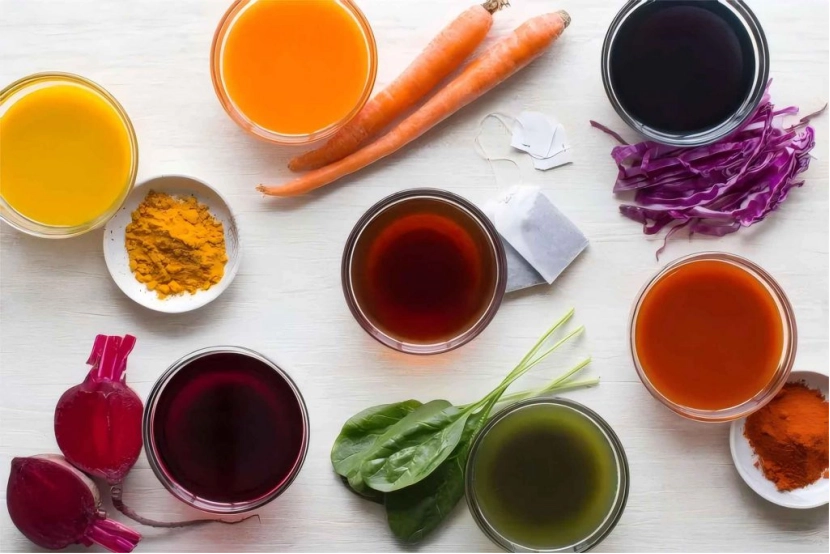
Making Baking Fun and Safe with Kids Involved
If kids join baking lessons or you make family products, natural colors ease your mind.
Why Natural Colors Are Perfect for Family Projects?
No fear if little hands taste the mix. Plant-based colors lack poisons or rough chemicals. Children enjoy watching real foods change things. Butterfly pea flower turning icing purple seems like a trick. It teaches without risk. And the treats taste good too.
Easy Baking Ideas Using Food Coloring Powder
Need sparks? Make rainbow pancakes. Split batter into bowls. Add various powders to each part. Sugar cookies change with colored icing sugar mixes. Or craft your own sprinkles. Blend coconut bits or sugar grains with powder. Dry them for special toppings.
A Quick Peek at YAYANG’s Sparkly Touch on Naturals
YAYANG stands out for shimmer in food-safe glitter and powder mixes. Their sparkle bits shine. Yet they follow clean-label ways. All of our ingredients are conformity with FDA CFR 21 Part73, 74 & GRAS and EC 1129/2011 & EC 1333/2008 and are 100% Kosher, HALAL, Vegan and Cruelty Free.
They act like safe magic dust. No odd extras. Use them in pastries or fine chocolates. They draw eyes and keep lists short and clear.
Challenges and Workarounds When Using Natural Colors
Natural options have bumps. But fixes make them easy to use often.
Shelf Life and Storage Issues
Like herbs, these powders fade if light or wet hits them. Store cool and dry. Use tight lids. Place in dark spots. This keeps power for months. Sometimes even years.
Color Consistency Between Batches
Plants vary by season or crop. So batches differ a touch. It is not a problem. It is just how nature works. For business needs, mix well before use. Test small amounts to match colors right.
Looking Ahead: The Future of Natural Food Coloring
The natural color field moves quick. This comes from buyer wants and new ideas.
Innovations Making Naturals More Stable and Bold
One big step is microencapsulation. It wraps color bits in small shields. This fights heat and light in baking. Fermentation colors grow too. They stay firm without fake helpers. Good for labels and work.
Growing Demand from Home Bakers & Clean Label Seekers
Openness draws people. Natural food coloring fits that goal over fake ones. Simple-label shifts change food making in many areas.
For chocolate or oily mixes where water colors fail, try oil-based food coloring powders. They stay even without splits or fades.
Some makers mix shimmer with natural bits now. This gives wow effects safely. It is a fun time for food creators.
FAQ
Q1: Can I use natural food coloring powder in frosting?
A: Yes! Mix it directly into buttercream, glaze, or royal icing just like you would with artificial dyes.
Q2: Will the color fade after baking?
A: Some colors may dull slightly due to heat exposure; adding a bit more powder or using post-bake applications helps retain vibrancy.
Q3: Are these powders safe for toddlers?
A: Absolutely—they’re made from fruits, vegetables, and plants without synthetic additives, making them ideal for young children.
Q4: Do natural food colors taste different?
A: Some powders like beetroot may have a mild earthy flavor, but most are subtle enough not to alter recipes noticeably.
Q5: Where can I buy shimmer versions of natural color powder?
A: Visit YAYANG’s official site to explore their line of clean-label edible shimmer powders made for culinary applications.