
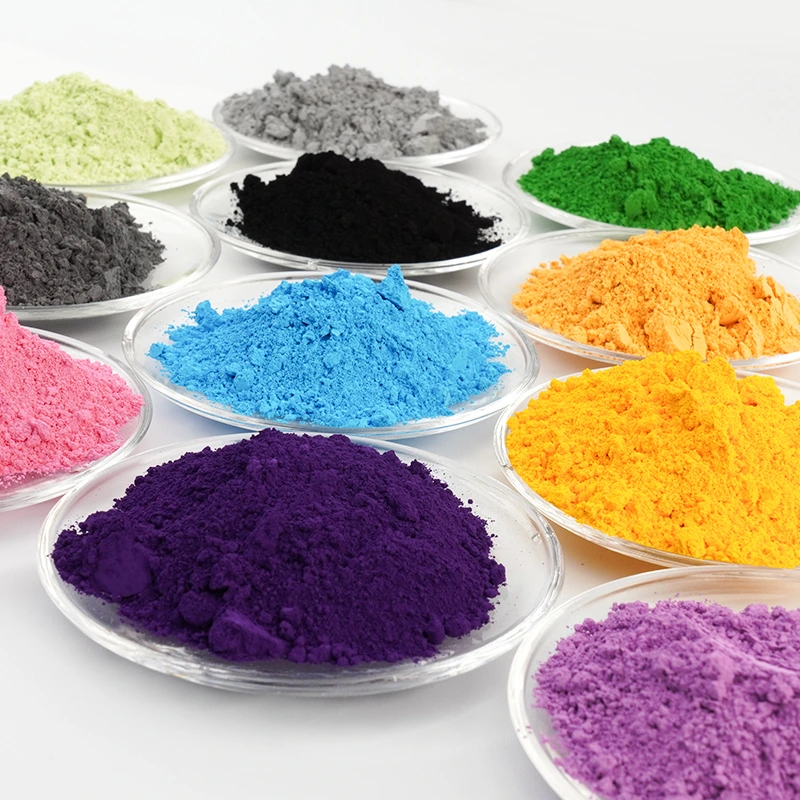
In a world where ingredient lists get close scrutiny, one trend keeps gaining ground—clean-label coloring. People crave openness. Bright shades from nature give strong visual punch and calm assurance. Natural food color powders lead this change. They add striking looks without the load of fake additives. If you’re crafting a plant-based snack, a health drink, or a kid’s treat, these powders help you add color to your items with trust.
If you need a solid partner here, YAYANG is a skilled maker of effect pigment since 1999. They bring more than twenty years of know-how and top-notch GMP-certified plants. YAYANG supplies fine, food-safe color powders for kitchen, beauty, and craft uses. Their lineup includes Natural Food Coloring Powder and Oil-Based Food Coloring Powder. Both suit pro work in various fields. Check their full strengths at www.yayangglobal.com.
The Rise of Natural Food Coloring Powders
Why Clean-Label Products Are Driving Demand?
Buyers now focus on labels they know. Fake ingredients grow tough to defend—mainly in spots like organic goods, baby food, or plant-based lines. Clean-label color powders fit perfectly. They come from natural roots, face little handling, and skip man-made keepers. Natural food colors prove kinder to the earth too. They draw from fresh plant stuff that renews. This matches the bigger move by folks toward green living and well-being.
Health and Safety Concerns Around Synthetic Dyes?
Fake dyes have sparked worries lately. Research ties them to skin reactions, extra energy in kids, and maybe cancer dangers. Artificial food dyes might lead to several health troubles, such as cancer, skin reactions, and more activity in children. At the same time, some fake colors banned in Europe stay okay in other places. This muddles things for worldwide brands. Natural food color powders give a choice that holds safety and right choices.
Market Trends Favoring Plant-Based Colorants?
The boom in vegan and part-time plant diets has boosted need for shades from fruits, veggies, algae, and spices. In a spot hooked on photo-ready meals, eye-grab but chemical-free colors matter a lot. Companies using natural shades seem more reliable—key for young buyers who link brand values to item worth.
Sources and Types of Natural Food Coloring Powders
Plant-based dyes pull from a wide range of green sources. Shade variety and staying power hinge on the base material and shape.
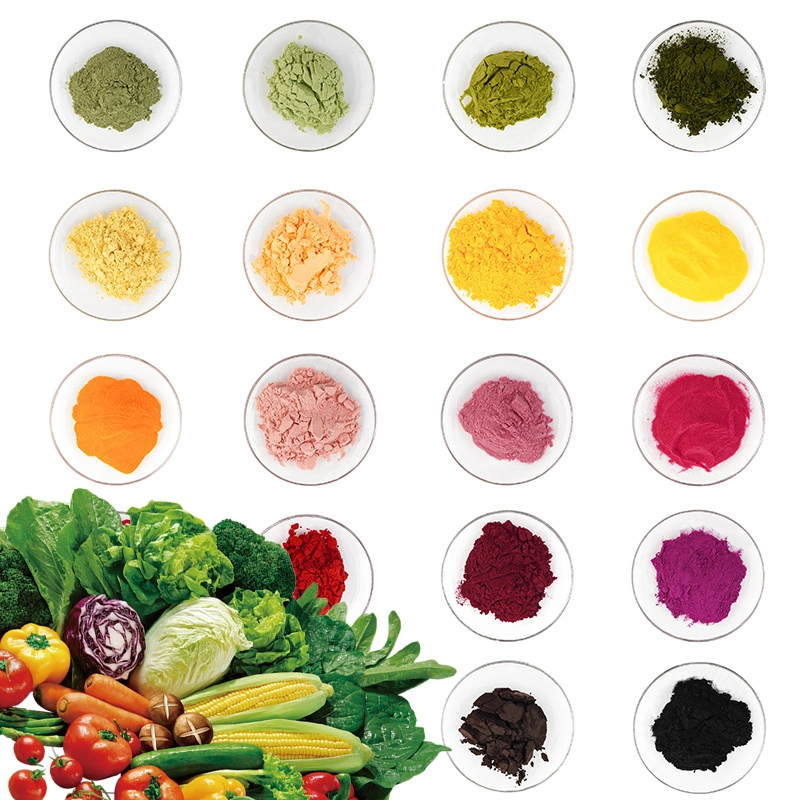
Fruits and Vegetables as Pigment Powerhouses
A few of the handiest dyes come from common garden items:
- Beetroot gives deep pink to red shades great for icings or power snacks.
- Carrots provide cozy orange fits for biscuits or plain noodles.
- Red cabbage makes a pH-shifting purple that turns blue in basic mixes.
These not only tint but might keep small bits of vitamins or fighters against damage—offering a light extra perk.
Spices, Leaves, and Algae-Based Options
Spices do more than spice up. Turmeric adds a sunny yellow glow plus calm-down benefits. Matcha lends a soil-like green shade while deepening sweets. Spirulina, from pond algae, stands out for its bold blue-green tint—hard to find naturally.
YAYANG’s plant-sourced powders aim for strong color output and wide uses. They offer ease no matter if you’re shaping sweets or beauty items.
Form Variations and Stability Considerations
Powder shapes give sharper handling than fluids. They mix easier and often last longer on the shelf. Yet, not every natural dye acts alike. Some weaken in hot spots or strong light. Red cabbage shade shifts with pH; berry-like colors might dim if baked long. You must pair your dye to your method.
Production Process of Natural Food Coloring Powders
Natural food color powders take real work to make. A careful path keeps their brightness and clean state.
Ingredient Preparation and Drying Techniques
It begins with picking color-rich plants at their best freshness. Next is gentle drying—often with soft warmth or freeze methods—to hold vitamins and tones. Low-heat drying saves nutrients and colors. Freeze-drying keeps more but costs extra.
Grinding into Fine Powder Without Losing Color
After drying, stuff gets crushed into dust with kitchen machines or seed mills. In big runs, fine grinding makes even bits. Sieving clears rough scraps that could mess up feel—vital for soft jobs like foams or lip sticks.
Tips for Maintaining Vibrancy Post-Grinding
Dampness fights hard here. Pack your dust right away in tight boxes far from sun and warmth. In wet air, toss in rice bits or dry packs to stop lumps.
Storage, Shelf Life, and Stability
How to Store for Longevity Without Preservatives?
Place powders in dim glass pots or air-tight bags. Skip wild heat changes—cupboard spots beat spots by stoves or glass.
Shelf Life Expectations by Ingredient Type
Various plants last in their own ways:
- Beetroot powder: 6–9 months
- Turmeric powder: 12+ months
- Spinach powder: 4–6 months
Watch end dates—natural means fresh, not forever.
Signs Your Powder Has Gone Bad
Shade dims? Odor turns odd? Lumps won’t break? Toss it then. Food safety comes first, no risks.
Everyday Uses Beyond Just Baking
Natural food coloring powder goes past cake tops.
Culinary Applications Across Categories
Mix these powders in shakes for health kicks, color noodle mixes plainly, or lift dips free of fake stuff. Beetroot brings ground-like sweet; turmeric adds zing with sunny shades.
Need oil-friendly picks? Oil-Based Food Coloring Powder suits chocolate dips or seed spreads where wet dyes split.
DIY Beauty Products with Plant-Based Pigments
Beetroot dust shines in mouth colors; spirulina boosts skin covers with green power and damage fighters. From true plants, they beat fake dyes for skin touch.
Arts & Crafts That Benefit from Edible Colors
Home play dough tinted with cabbage or spinach dust stays safe if little ones nibble. Plant-based paints from these also fit cookie art or sugar shapes.
Tips for Getting the Most Out of Your Color Powders
Pairing Colors with Food Types Strategically
Colors act different in cooking heat. Red cabbage goes blue in base doughs but holds purple in sour mixes. Add soft shades post-cook to keep brightness.
Combining Powders for Custom Shades
Want soft pink? Blend beetroot and turmeric. For woodsy green? Stir matcha with spirulina. Such mixes help build your own color sets for goods.
Trying things out is part joy—and pretty easy once basics click.
YAYANG’s Role in the Natural Color Movement
YAYANG crafts super-small plant dusts that gleam lightly—right for kitchen makes and skin mixes. Their quick-dry way boosts color hold without hurting feel. That’s big for strong natural goods.
All ingredients meet FDA CFR 21 Part73, 74 & GRAS and EC 1129/2011 & EC 1333/2008. They’re 100% Kosher, HALAL, Vegan and Cruelty Free. So YAYANG fits well for snack bars or skin care starts.
Find more on their options at www.yayangglobal.com. Or contact them straight via their contact page for tailored help.
Challenges Still Facing Natural Food Colors
Stability Under Heat, Light, and Acidity?
Natural dyes can be picky. Berry colors from blueberries or cabbage dim in long heat. Green stuff turns brown in sour spots. So recipes need extra checks—mostly for oven items or fizzy sips.
Supply Chain Complexity and Cost Factors?
Grabbing in-season fruits or roots big-time gets hard. Prices jump from weather or world events. Yet, many firms see clean-label trust beats the extra spend.
FAQ
Q1: Can I make natural food coloring powder at home?
A: Yes. Dehydrate fruits or vegetables using low heat or freeze-drying methods, grind into fine powder, then store in airtight containers away from light.
Q2: Are these powders safe for children’s products?
A: Absolutely. Most are derived from whole foods like carrots or spinach but always test for allergies before use.
Q3: Do natural powders have flavor?
A: Some do—beetroot can be earthy, turmeric slightly bitter—but used sparingly they rarely overpower recipes.
Q4: Can I use natural powders in drinks?
A: Yes. They dissolve well in smoothies or lattes but may settle over time—just give them a stir before serving.
Q5: How does YAYANG’s powder compare to others?
A: YAYANG focuses on ultra-fine shimmer-grade botanical powders with excellent pigment retention—even after storage or blending, making them ideal for professional-grade applications across industries.