
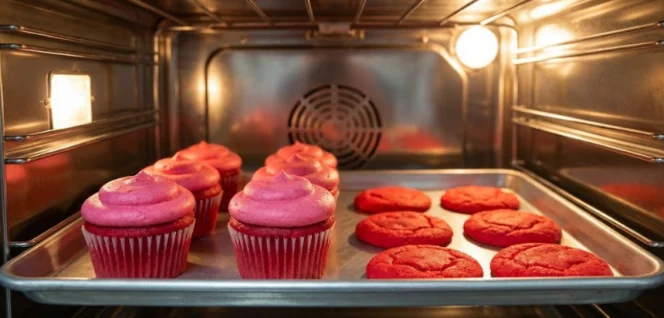
Let’s think about a common baking problem. You buy some really expensive beetroot juice. You want to make the best pink velvet cupcakes ever. You mix the batter. It looks so pretty in the bowl. It is a true work of art. Next, you put the baking pans into a big, hot oven. You wait twenty minutes. Then, you open the door. What do you see? A huge tray of ugly, dark brown cakes. The pretty pink color is totally gone. This makes people so mad.
To be honest, baking with natural food dyes can feel like playing a bad game of chance. Plant colors just do not like hot ovens. They get ruined easily. But, buyers today want clean and safe food labels. They do not want fake chemicals. So, you have to find a way to make them happy. You must learn how to prevent fading natural colors. You have to stop the problem before the food even goes into the hot oven. Let’s look at how to do this.
Why Do Standard Natural Colors Fail in the Oven?
It is a bad idea to just take raw juice from a plant and toss it into a 200°C oven. That is asking for big trouble. The tiny parts inside regular fruit and vegetable colors just break apart. They fall to pieces when things get too hot. Let’s break down why this happens.
The Heat Browning Effect
Food makers hate dealing with this problem. It is called the heat browning effect. Normal plant colors go into a hot baking oven. Then, their weak chemical links just snap. They break right in half. Beetroot is very famous for doing this exact thing. It might look super bright pink when you mix it in the bowl. But it quickly turns into a sad, dirty brown color once the oven heats up.
Also, remember the sugar in your dough. Sugar turns brown when it gets hot. Think of making caramel. That brown sugar mixes with your pink or red colors. In the end, you get a cake that looks burned. It might still taste good. But nobody wants to buy a cake that looks like mud.
The Hidden Threat of Light Fading
Now, maybe your cookies somehow survive the hot oven. That is good, right? Well, the fight is not over yet. You still have to worry about the light. Let’s say you put your baked treats in clear plastic bags. You put them on a nice cafe counter to sell. The bright lights in the store will start to attack the plant colors.
For example, turmeric gives a really beautiful yellow color. But it loses that color very fast under normal shop lights. A cookie might look bright and fresh on Monday morning. By Thursday, it looks old, tired, and pale. When food looks old, people do not buy it. This light fading problem kills your sales over time.
What Is the Science Behind Heat Stable Natural Food Coloring?
So, how do we fix this? You cannot just pour more juice into the mixing bowl. That will not work. You have to change how the color acts in real life. You need to protect it.
Preserving Vibrancy Under Extreme Heat
New ways of making food colors can protect those weak color pieces. Food makers do not just leave the color bare and open. Instead, they wrap the color up in a tiny shell. This tiny shell acts just like a heat shield.
So, when your cookies go into a very hot oven, the shield takes the hit. The heat hits the shell, not the color inside. The bright red, happy yellow, or deep green stays safe. It is locked away from the bad heat. This is what a true heat stable natural food coloring does. It makes sure your finished cake looks exactly the way you wanted it to look. It keeps the color safe and bright.
Why Powders Outperform Liquids in Commercial Dough
Making a good dough is mostly about keeping the water levels right. It is a balancing act. Imagine you want a deep red cake. If you pour cups of wet berry juice into your bowl, you will ruin the mix. The flour gets too wet. The dough turns into a sticky mess. It gets too flat. You cannot run it through a bakery machine.
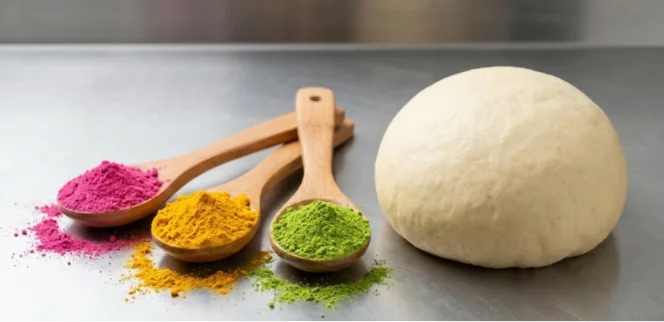
A dry food coloring powder fixes this wet mess right away. A strong, dry powder gives you a huge burst of color. But it does not add any extra water at all. The feel of your dough stays perfect. It bakes up nice and fluffy.
What Are the Best Pro Tips for Baking With Natural Food Dyes?
Buying the right powder is just step one. You also need to watch your mixing bowls. You have to be careful with your recipes. This helps you get the exact right color every single time you bake.
Managing Dough pH for Consistent Shades
Plant colors act a bit like mood rings. They change color based on how sour or bitter the dough is. Food scientists call this the pH level. Things like purple sweet potato extract will change a lot based on your recipe.
If your dough has sour things in it, like lemon juice or buttermilk, the color stays a nice pinkish red. But what if you add a lot of baking soda? The dough stops being sour. Then, that very same powder will turn a weird blue or green color. That is a bad surprise. You always need to test your baking soda and baking powder amounts first.
Securing Batch-to-Batch Color Consistency
Nature is never the same every time. Think about a farm. Purple carrots picked in a rainy spring look different than carrots grown in a dry summer. One is dark, one is light.
If you run a big bakery, this is a huge pain. You do not want color changes every month. You need your food to look the same every day. To meet your sales goals, you need absolute batch-to-batch consistency. This means every batch must match. You need to find a trusted seller. A good seller makes sure their color powders are always the exact same shade. This way, your cookies in January look just as bright as your cookies in November.
How Can YAYANG’s Bake-Stable Powders Elevate Your Bakery Brand?
Getting your baking parts from the right place changes everything. It takes away the stress. You stop guessing. You start making great food every day. You really want to work with people who know the deep science of baking.
Let’s talk about Chic. Chic works as a food planner at YAYANG. Chic spends long days in the lab. Chic helps big bakeries figure out why their red velvet cakes turn a sad gray color. YAYANG does not just mail you random fruit dust. They look closely at your oven heat. They look at your dough rules. They turn raw plant bits into strong, steady color powders. These powders actually live through the hot bakery oven.
YAYANG only focuses on keeping the color strong and clean. Because of this, you do not get any weird vegetable tastes. Delicate cakes taste like cake, not like dirt. When you switch to using YAYANG natural food coloring powder, you get all the power back. You control how your food looks. You get the healthy, clean labels your buyers ask for. And you get the super bright, pretty colors that make people want to eat your treats.
FAQ
Q1: Why does natural red food color turn brown when baked?
A: Most natural reds come from berries or beets. The heavy heat in the oven breaks their small parts apart. This makes them turn brown and look burnt.
Q2: Does natural food coloring change the taste of frosting or dough?
A: Cheap powders will leave a funny vegetable taste. But, really good, pro powders take out the bad flavor bits. They leave only the bright color behind.
Q3: How do you mix coloring powder into dry dough?
A: It is always best to mix the color powder into your dry things first. Mix it well with your flour or sugar. Do this before you add wet things like eggs or milk.
Q4: Can you get a bright natural blue for baked goods?
A: Yes, you can. Spirulina gives a very nice blue color. You just have to be extra careful with the oven heat. Blue is very sensitive to getting too hot.
Q5: What is the shelf life of powdered natural food dyes?
A: You should keep them in a cool, dry spot. Keep them out of the sun. If you do this, most good powders will last for one to two years without getting weak.