
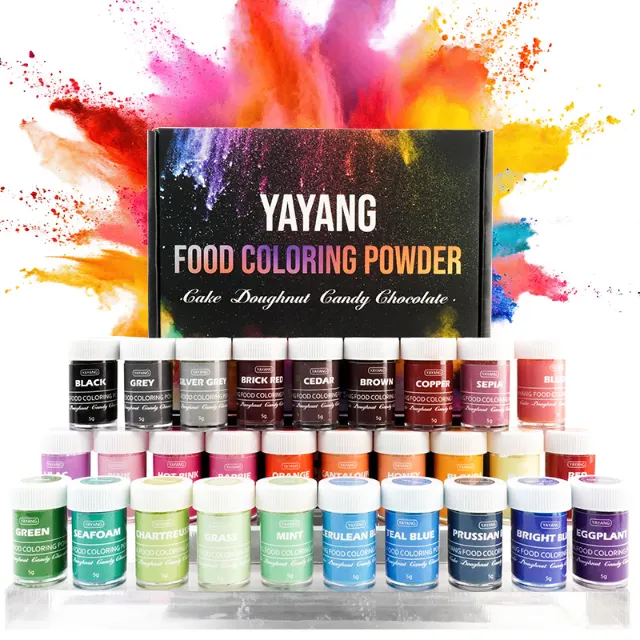
Hi there, if you work in chocolate every day, you know one thing very well: the wrong color can waste a whole batch. When you look for oil based food coloring for chocolate, you are not just buying a powder. You are picking a partner who can support your industrial chocolate coloring needs, keep your lines running, and protect your brand look in every box. So choosing a supplier for chocolate coloring is a serious business choice, not just a quick price call.
Why Choosing the Right Supplier Matters for Chocolate Production
For chocolate factories, color is part of the product itself. If the shade changes, buyers see it at once. A good oil-based food coloring supplier helps you keep your standard shade and cut waste, especially when you move food coloring for chocolate manufacturers from test scale to full production.
The Role of Fat-Compatible Coloring in Chocolate Manufacturing
Chocolate is rich in fat. It needs oil-based pigment for chocolate, not water-based color. Good pigment blends into cocoa butter, gives smooth color dispersion, and stays fluid at working heat. This is very important for stable coloring for chocolate coating lines, where chocolate runs for hours. You can also link it to topics like how to color chocolate for bars, fillings, or coated pieces.
Product Stability and Performance in Chocolate Applications
Once your coating or molding line starts, you do not want surprises. The color system should behave the same in each shift and in each season.
Temperature Resistance and Shelf Stability
In real plants, chocolate goes through melting, cooling, packing, and transport. Strong temperature stability helps the color stay bright during this full cycle. You want food-grade coloring for chocolate production that does not fade or break down after months on the shelf or during a long export trip.
Color Strength and Dispersion Quality
High color strength means you can use less pigment and still reach your shade. This helps cost control and reduces risk of defects. Weak or uneven color hurts batch consistency and makes consistent color batches in chocolate production hard to keep. Fine dispersion cuts streaks and spots and gives a clean, even look.
Food Safety Standards and Regulatory Compliance
Your customers expect safe products, and color must match this promise.
Certifications Required for Global Distribution
If you ship to different markets, you need clear food certifications that fit local rules. When a supplier can provide complete files and explain how its system fits these rules, your QA and regulatory work becomes faster and easier.
Clean Formulas and Traceability
A serious partner offers full documents and test reports for each lot. This kind of traceability is now a basic part of food-grade coloring for chocolate production, not a special extra.

Batch Consistency and Supply Capacity
Even a high-grade color is a problem if you cannot get it in time, or if each lot looks different.
Consistency Across Multiple Batches
For long-running products, new lots should stay close to your standard shade. Good control of batch consistency keeps your chocolate lines stable, even when you grow. Your QA team should not fight with color drift every time you open a new box.
Scalable Production and Reliable Lead Times
As your sales grow, you may need bulk oil-based food coloring instead of small packs. A strong supplier has the supply capacity to handle large orders, seasonal peaks, and new launches without long delays.
Customization and Technical Support for Chocolate Brands
Color also carries your brand story.
Custom Color Matching for Brand Identity
Many brands need custom color matching to fit a logo or seasonal theme. When a supplier can match that shade in an oil-based pigment for chocolate system, you keep one clear visual style across all lines.
Application Support for Chocolate Lines
Sometimes things go wrong on the line: thick flow, dull surface, or uneven coating. A good partner offers real technical support and has long practice with industrial chocolate coloring needs, so you can solve issues without long stops.
How a Trusted Supplier Supports Long-Term Production
Over time, the right supplier does more than ship boxes. A trusted oil-based food coloring supplier supports planning, tests, and smooth changes for many years. With stable color dispersion, solid temperature stability, and smart logistics, your brand can grow into new markets without losing its look. A clear product page for oil-based food coloring also helps your teams order the same system again and again.
Why YAYANG Is a Reliable Partner for Chocolate Projects
YAYANG has long experience with effect pigments for food and other fields. The team cares about how color behaves in real chocolate and coating lines, not only in small lab tests. For plants that need oil based food coloring for chocolate, this know-how turns into better advice, stable shades, and less trial-and-error work on site.
The company offers a broad range that fits industrial chocolate coloring needs, from small trials to big regular orders. YAYANG pays close attention to batch consistency, supply capacity, and clear food certifications, so QA and purchasing teams can work with solid data. When you need custom color matching, new colors for seasons, or help with coating issues, YAYANG can provide practical help and steady stock for long-term cooperation.
FAQ
Q1: Why is oil-based coloring better than water-based in chocolate?
A: Chocolate is full of fat, so water-based color can make it seize or turn grainy. Oil-based systems mix in smoothly, so you get clean flow and a nicer finish on the product.
Q2: How much testing is needed before switching to a new supplier?
A: Most plants start small. You can run a few lab tests, then one short line trial. If flow, shade, and coating look good, you can move to bigger orders step by step.
Q3: What should a buyer check first when talking to a new supplier?
A: Start with safety data and papers. Ask for specs and food certifications, then talk about lead time, lot size, and how they answer tech or QA questions. Clear answers are a good sign.
Q4: Is custom color matching worth the extra time?
A: For most brands, yes. A custom shade can match your package or theme. Once it is set, you can reorder that same tone so your shelves look tidy and easy to spot.
Q5: How can a factory cut risk when changing to bulk oil-based food coloring?
A: Move in stages. Use small tests first, then one product line, while you keep old stock as backup. When you see stable results and smooth coating, you can change the rest with less stress.