
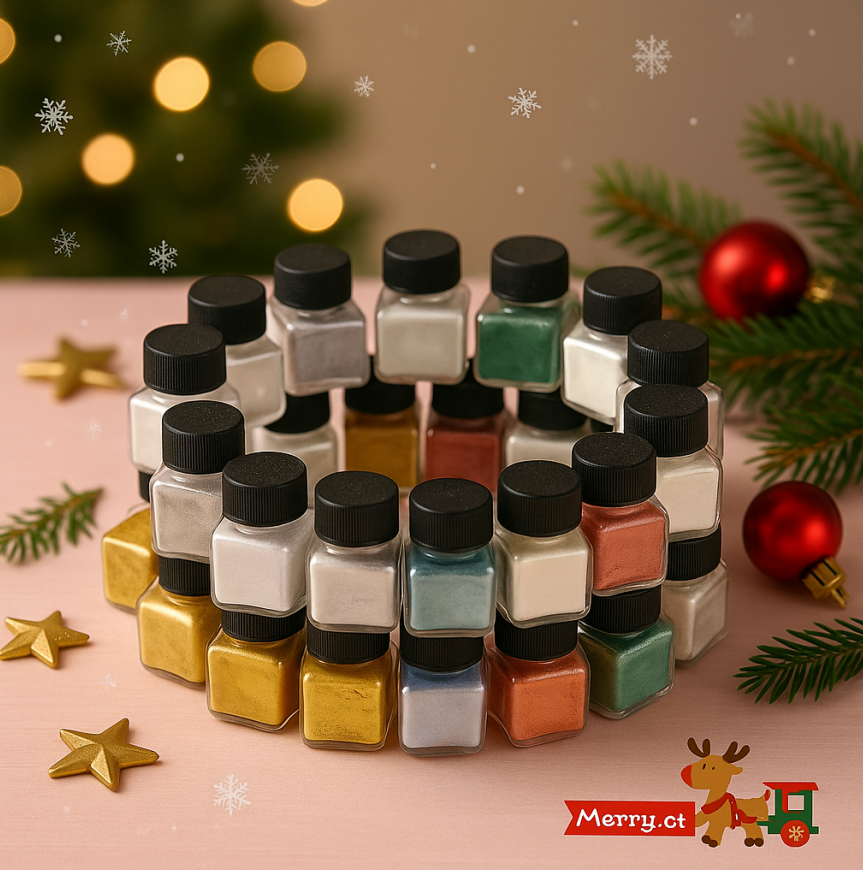
Hi, planning your Christmas desserts for 2025? Guests might not say it out loud, but they judge the plate the second they see it. Color decides if a cake feels festive, cheap, or “Instagram ready”. Edible luster dust for Christmas gives you a fast way to turn normal products into holiday pieces that actually get picked first.
When you choose colors that fit both classic Christmas moods and newer winter trends, your whole line looks more planned. This guide walks through the most popular luster dust colors for Christmas 2025, how to use them on real products, and how to build color palettes that work in daily production, not just in mood boards.
2025 Christmas Color Trends for Edible Luster Dust
Christmas colors do not reset every year. The classic red, green, and gold are still there, but now clients also ask for “Nordic winter”, “all metallic”, or “soft pink Christmas”. Edible luster dust for Christmas lets you move between these styles with small surface changes instead of new recipes.
To make choices easier, you can think in three simple groups: classic Christmas tones, modern winter tones, and jewel or vintage metallic tones.
Classic Christmas Colors: Gold, Red, Green
Gold, red, and green are still the safest, most requested trio. They match trees, wreaths, and gift ribbons, so customers recognize the season at once.
Gold luster dust works very well on dark chocolate, gingerbread, and nut cakes. A light brush of gold on the rim of a chocolate dome can lift a whole display. In color work, synthetic gold and yellow pigments often give stronger, more stable shades than many natural options, and they need less usage to reach full color.
Red luster dust fits Santa hats, berries, and ribbon details. A warm berry red usually looks better than a harsh neon red on premium products. Green works for leaves, wreaths, and tree shapes. Many shops keep one bright emerald green and one deep forest green, so they can handle both playful and high-end items.
Modern Winter Tones: Silver, Ice Blue, Pearl White
Silver, ice blue, and pearl white bring snow and frost into your range. These tones are very popular in 2025 for “winter wonderland” or “Nordic” themes. Silver on white fondant gives a clean, hotel-level finish. Ice blue looks sharp on macarons, glaze cakes, and even cold drinks, especially when the base is pale.
Pearl white luster dust is more subtle. It does not shout, but it gives mousse cakes, whipped cream swirls, and meringues a gentle glow. Often you see these cool shades combined with one warm metallic, such as a bit of gold on stars or text, to stop the palette feeling too cold.
Jewel Tones and Vintage Metallics
Jewel tones like sapphire blue, deep red, and emerald, plus vintage metallics such as antique gold, bronze, and copper, talk to a richer, old-world style.
Bronze and antique gold look strong on nut tarts, spice cakes, and dark cookies. These deeper metals feel less flashy and more crafted. Many professionals keep them in the same edible luster dust set as the bright gold and silver, so decorators can switch between classic and vintage looks without changing product lines.
How to Choose Edible Luster Dust for Christmas Baking
Choosing colors is not only about taste or trend. You also have to think about the base material, storage time, and process steps. Some pigments look great on day one but fade during baking, cold storage, or transport. Synthetic pigments in general have higher stability to light, heat, and pH than many natural ones, which can fade or change with these factors.
For a smooth season, you can check three points: dessert type, mix of tradition and trend, and palette size in production.
Match Colors to Dessert Types
Different bases need different colors. Dark chocolate pairs well with gold, bronze, copper, and deep jewel tones. White chocolate, fondant, or whipped cream support silver, ice blue, pearl, soft pink, and rose gold.
Baked dough surfaces like cookies and gingerbread show gold and red clearly. Green can sink a little into darker dough, so some bakers brush a thin white layer first and then add green details.
Water-based items, such as drinks, jellies, and mochi, usually rely on water-friendly systems. Cakes, mooncakes, and chocolate often use oil-soluble systems. In practice, one set of colors works for jelly cups, mochi, and ice cream, and another set is better for baked goods and chocolate shells.
Balance Tradition and Trend
Most buyers still expect some basic Christmas cues. A full pastel pink tree with no red or green may look nice online, but older guests might not see it as Christmas at all. A simple rule is to keep at least one classic color in each design.
For example, you can decorate a pastel pink cake with a small green wreath and gold stars. Or glaze a cake in ice blue and add red berries on top. This way you follow 2025 trends without losing people who want the holiday feeling they know.
Plan Your Color Palette for Production
A long list of shades can look exciting in a presentation, but it slows real production. Many bakeries discover that a tight core palette works better. Gold, silver, red, green, one blue, one pink or rose gold, one pearl, and one bronze already create plenty of combinations.
If you work with a food-grade luster dust for baking that comes as a stable set, your team can repeat the same colors all season. This cuts training time, reduces color mistakes, and keeps products from different batches looking alike on the shelf.
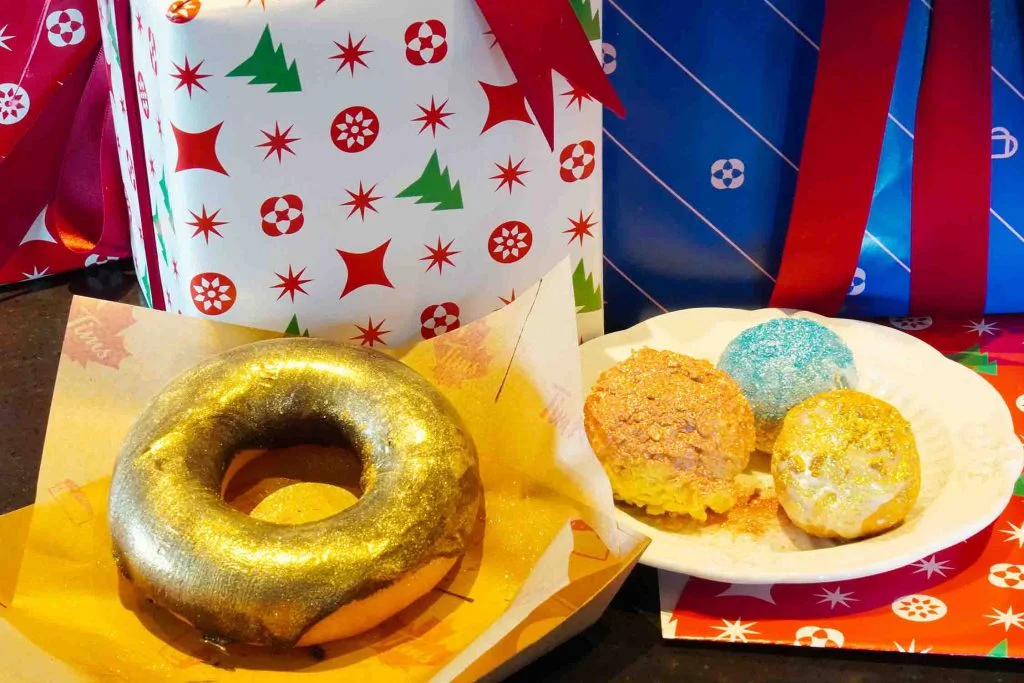
Recommended Color Palettes for Christmas 2025
Once you know your target customers, you can lock a few standard palettes and use them across cakes, cookies, chocolates, and drinks. This makes your Christmas line look like one family instead of random single items.
The palettes below are common in 2025 and easy to build from one broad edible luster dust for Christmas kit.
Classic Luxury Christmas Palette
This palette uses rich red, deep green, and bright or champagne gold. It fits tiered cakes, log cakes, and large cookie gift boxes.
Use red on bows, berries, and ribbons. Use green on leaves, trees, and wreaths. Use gold to pick out edges, text, and tiny figures. A few small silver dots can add light without changing the core feeling.
Winter Frost and Ice Palette
Here silver, ice blue, and pearl white lead. A touch of pale gold can warm things slightly. This palette works for snow globe cakes, winter village scenes, and items that stay on sale into New Year.
Ice blue gradients on glaze with silver snowflakes on top catch both in-store and online attention. Pearl white over whipped cream or meringue makes simple shapes feel like fresh snow under soft light.
Modern Social Media Friendly Palette
Younger customers often like “cute” Christmas themes. For them, rose gold, soft pink, pearl, and a bit of mint or light green work very well.
You can dust cupcakes, cake pops, and small boxes with rose gold or soft pink and keep classic colors only in small accents. For example, a row of pink and pearl macarons around a cake with tiny green tree toppers. A flexible metallic luster dust for Christmas desserts lets you move between these palettes without touching your sponge or filling recipes.
YAYANG as Your Luster Dust Partner
YAYANG focuses on color systems that behave reliably in real factories and shops, not only in one perfect photo shoot. The team works with both natural and synthetic sources and offers formats such as water-soluble powders, oil-soluble powders, and liquids that match drinks, jellies, baked goods, chocolate, and frozen desserts.
For Christmas, this background saves trouble. You need colors that stay bright through baking, cooling, packing, and shipping. YAYANG designs luster dust products with attention to stability, regulatory needs like GB standards, and common export certifications. Pack sizes and minimum order quantities fit smaller craft bakeries and larger plants, so you can test a 30-color system and then roll it out at scale. When you plan several different Christmas themes from one color base, YAYANG feels less like a random supplier and more like a quiet technical partner behind your seasonal line.
FAQ
Q1: How many luster dust colors does a small bakery really need for Christmas?
A: About eight to twelve shades usually cover most Christmas designs.
Q2: Are metallic luster dust colors safe to eat?
A: Yes, as long as you pick food-grade products and follow the usage advice on the spec sheet.
Q3: Which desserts show luster dust effects best?
A: Smooth surfaces like fondant, glaze cakes, molded chocolates, and iced cookies show the shine most clearly.
Q4: When should Christmas luster dust be ordered?
A: Many shops like to order two or three months before the peak season and keep powders dry and sealed.
Q5: What if a client wants a very unusual Christmas color theme?
A: You can add one or two special shades and still base the design on your main Christmas palette so the products look different but not strange.