
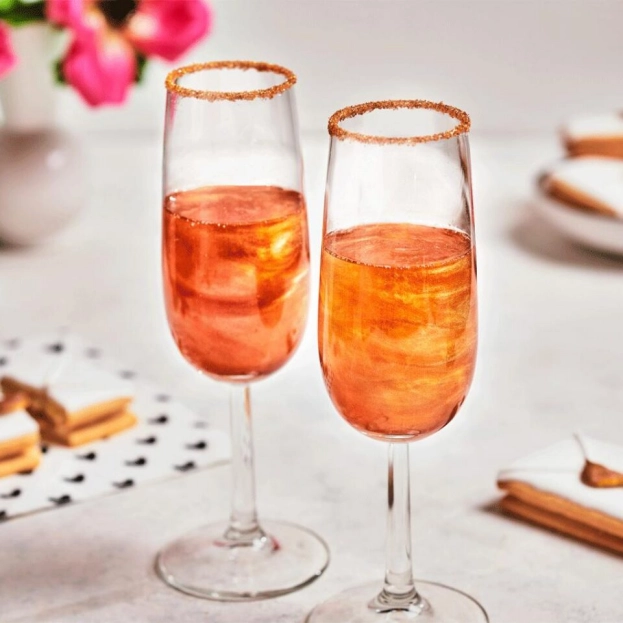
Being a product developer or quality manager in the food world is tough right now. Lately, it feels like you are always chasing new rules. Today, everyone is looking at one big thing: microplastics. The old days are gone. You can’t just use cheap “non-toxic” glitter on donuts anymore. Shoppers are smart. They read labels. They do not want to see plastic chemicals next to their food.
This isn’t just about what people think. It is the law now. The EU and other big groups are banning added microplastics. Brands are rushing to change their formulas. Now, you have to find a comprehensive range of food-safe decorative solutions. You need stuff that looks great but has no plastic. It is hard to get right. You want the shine, but you need a clean label. This guide explains why the industry is switching to mineral options and how this actually helps your product work better.
The Regulatory Tsunami: Is Your Glitter Compliant?
Rules have changed a lot. If your supply chain is slow, your brand is in trouble. In the past, you could use “food contact” glitters. They were basically cut plastic. But they were okay if labeled right. That is not true anymore.
Groups like the ECHA have new rules. They say solid, fake polymers are microplastics. If your glitter is made from PET plastic, it will likely get banned. For a big food brand, this is scary. You can’t sell something in the US that is illegal in Europe. A recall would be a huge mess.
That is why R&D teams are switching to mineral options. When you pick natural minerals, you skip the whole microplastic problem. You stop trying to prove your plastic is “safe.” You just get rid of the plastic. It is the best way to keep your product safe from future laws.
Mineral-Based vs. Plastic-Based: The Technical Difference
To switch, you need to know what goes into your tank. The difference between old plastic glitter and the new mineral stuff is huge.
Here is a simple look at why leaders are dropping PET:
| Technical Feature | Mineral-Based (YAYANG Luster Dust) | Plastic-Based (Traditional Glitter) |
| Core Material | Natural Mica coated with Iron Oxides | PET / Polyester (Synthetic Polymer) |
| Microplastic Status | Exempt (Inorganic Mineral) | Restricted (Solid Synthetic Polymer) |
| Heat Resistance | High (>800°C) – Stable in ovens/boiling | Low (~160°C) – Melts, curls, or odors |
| Chemical Stability | Inert (No reaction to alcohol/acid) | Reactive (Can bleed color or degrade) |
| Particle Shape | Irregular Platelets (Natural suspension) | Hexagonal Cut (Artificial look) |
Composition and Structure
Plastic glitter is basically a chopped-up plastic bag. Makers take a thin plastic sheet. They coat it with color. Then, they cut it into tiny, perfect hexagons. It is cheap and bright. But, it is still fake plastic. It sits there forever.
Mineral options, specifically mineral-based edible luster dust, are different. These use natural mica. That is a rock mineral. It is coated with food-grade iron oxides. Under a microscope, they don’t look like perfect shapes. They look like flat, uneven flakes. This matters. Since they are minerals, they are real “edible” additives. They are not foreign objects.
Visual Performance
They also reflect light differently. Plastic shines like a mirror. It gives sharp, hard flashes. Mica pigments shine more like satin or silk. It is a soft, fancy shimmer. For fancy candy or expensive drinks, people prefer this soft look. It looks like it belongs in the food, not just thrown on top.
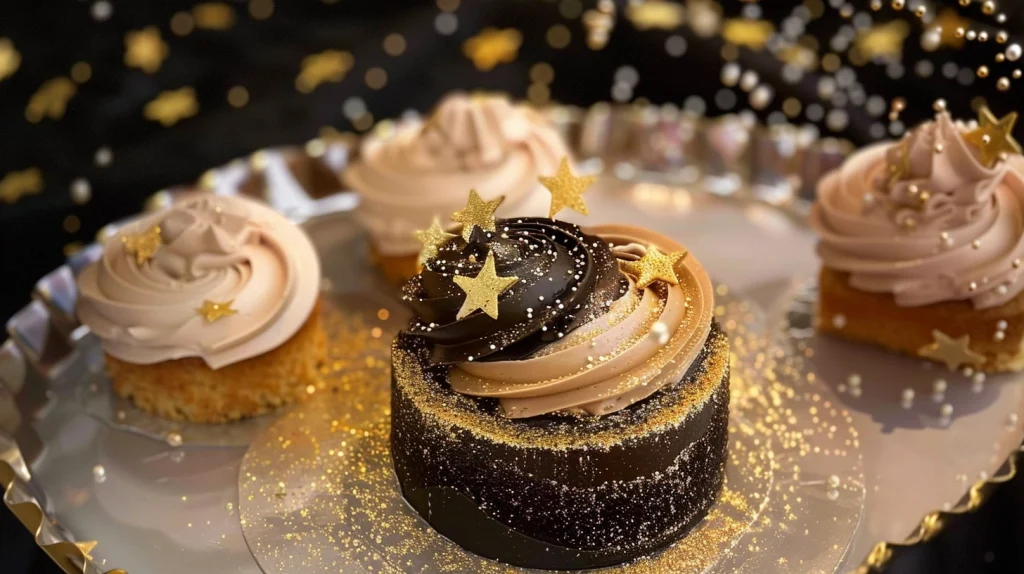
Why Mica is Superior for Beverage Stability
If you are making a bottled cocktail or a soda, you know liquids are tough on additives. This is where minerals beat plastic easily.
The Suspension Factor
Plastic is often too light or too heavy. If it is light, it floats like scum. If it is heavy, it sinks like sand. The drink looks bad. You want the “swirl.” You want that cloud of shimmer that moves when you turn the bottle.
Mica flakes are perfect for this. They are flat. They catch the moving liquid. When a customer picks up a bottle of “galaxy vodka” with mica, it flows. It stays floating longer. Plastic chips can’t do that.
Chemical Inertness
Drinks can be harsh. They might be acidic like soda. They might have alcohol. Plastic glitter can bleed color. It can make a clear drink look dirty. Mica and iron oxides are rocks. They don’t react with alcohol. A gold mica shimmer in gin today will look the same in two years. This is key for shelf life.
Heat Resistance for Industrial Baking
Let’s talk about baking. Big ovens are hot. Your decoration needs to survive the heat.
Surviving the Oven
Plastic melts. Standard PET plastic can warp or smell bad at normal baking temperatures (around 160°C to 250°C). If you put plastic glitter on a cookie before baking, it might curl. It might lose its shine. Or worse, it melts onto the food.
Mineral pigments are stones. They handle heat over 800°C. You can mix mica right into boiling candy. Or put it on dough before the oven. It comes out looking perfect. This helps the factory. You don’t have to add decoration after baking. You can do it during the main process. This saves time and keeps things clean.
Partnering for a Plastic-Free Future
It is hard to find a supplier who knows the difference between “non-toxic” and “mineral-based.” This is where Hangzhou Yayang Industrial Co., Ltd. helps you. Since 1999, YAYANG has moved past simple making. They are a real partner for the food world.
YAYANG works from a GMP-compliant factory in Hangzhou, China. They create safe color solutions. They have big certifications like ISO22000, ISO9001, and KOSHER. This means every batch is tested. It has no heavy metals. They don’t just sell dust. They give you the papers you need for big brands.
Do you need a 25kg drum? Do you need a special size for a drink? YAYANG gives you the quality you need to switch from plastic to minerals. You can contact the regulatory compliance team to get samples. Ask them how to fix your product formulas.
FAQ
Q1: Is natural mica considered a microplastic by EU standards?
A: No, it is not. Natural mica is a mineral, not a plastic polymer. So, it does not count as microplastic under the new rules. It is a safe choice for food.
Q2: Do you provide certificates proving the products are plastic-free?
A: Yes. For every batch of mineral dust, we can give you documents. These say the product has no plastic. This helps you pass audits easily.
Q3: Can mineral glitter achieve the same brightness as plastic glitter?
A: Yes, but it looks a bit different. Plastic gives a sharp flash. High-quality mica gives a brilliant sparkle. It rivals plastic, but it is better for the planet.
Q4: Is this suitable for vegan and halal certified products?
A: Definitely. Mineral pigments come from the earth (Mica, Iron Oxides). They have no animal parts and no alcohol. They work great for Vegan, Halal, and Kosher goods.
Q5: What is the shelf life of mineral-based edible glitter?
A: Minerals last a long time. Food dyes might fade. But mineral pigments are very stable. If you keep them dry, they last 5 to 10 years. This cuts down on waste.