

Hi there, if you have ever mixed a beautiful pink drink and watched it slowly drift to dull purple or even strange blue, you are not alone. Many people use natural food coloring powder and wonder why the color on the screen and the color in the final product just do not match. In most cases the reason is simple: pH. Once you see how pH affects natural food coloring and other plant pigments, it becomes much easier to fix color problems instead of guessing every time.
What Makes Natural Food Coloring Sensitive to pH
Most natural food color comes from plant, mineral or microbial sources. Typical pigments such as anthocyanins, carotenoids and chlorophyll have structures that change when the environment becomes more acidic or more alkaline. That is why the pH effect on natural pigments is so strong. A small shift can create a clear acid–base color change, especially in drinks and desserts.
Compared with synthetic dyes, a pH-sensitive natural colorant reacts more quickly to acid or alkali. This is one reason natural systems are so popular for clean-label coloring but also a common source of trouble when you want stable shade in long shelf life products.
Key Pigments That React to pH
The classic example is anthocyanin color change. Anthocyanins, common in black goji, blueberry, purple sweet potato and grape skin, often look like a natural red pigment in acidic drinks, shift to purple near neutral, and move toward blue as pH increases. In some dough or noodles that use baking soda, they can even lean to green. That makes them great for visual effects, but risky if you want a fixed tone.
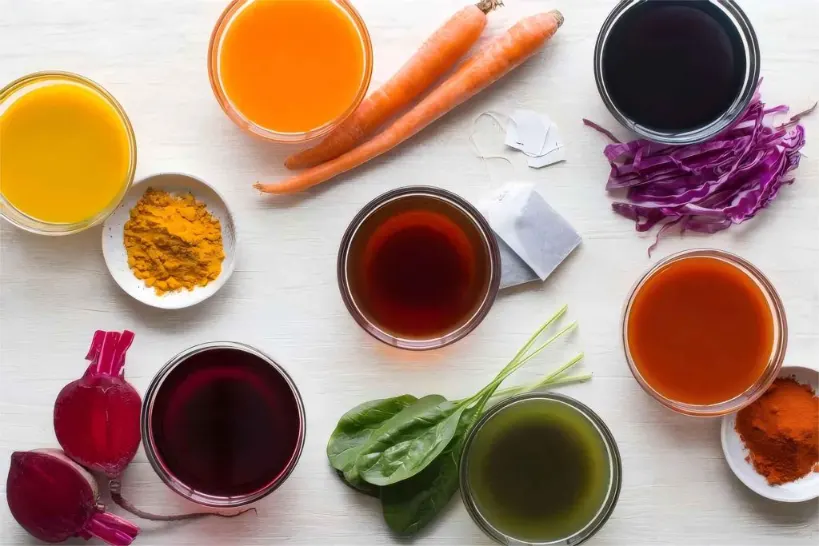
Beetroot pigment is another plant-based food color. It is more stable in the mildly acidic range but can fade in strong light and at higher processing temperatures. Gardenia pigment systems, such as gardenia yellow or blue, usually work well in low pH products, but gardenia green is a blend, so each component reacts to pH in its own way. Turmeric color powder gives strong yellow to orange in many foods, but very high pH can still dull the shade over time.
When you build a palette using a broad plant based pigment powder range, each pigment brings its own pH window, thermal stability and light sensitivity. Keeping that mental map is half the battle.
How Does pH Change Color in Real Products
In real factories and kitchens you do not add pigment into pure water. You add it into dough, drinks, fillings, creams and gels, each with its own pH. That is why pH color change food coloring can behave perfectly in the lab but show surprises in the finished product.
Acidic, Neutral, and Alkaline Foods
Acidic systems, such as soft drinks, jellies, fruit sauces and fermented beverages, often sit at pH 2–4. Here you usually see bright red or pink from anthocyanins and strong yellow from gardenia or turmeric. This is where you get the best natural coloring for acidic foods.
Neutral foods such as bread, steamed buns, ice cream and many dairy desserts live closer to pH 6–7. In this zone, color stability in food coloring becomes more sensitive. Anthocyanins may drift from red to purple, and some pigments lose intensity after baking or long storage. Many formulators choose more robust pigments or fruit and vegetable powders for natural coloring for baking and drinks in this range.
In alkaline products, such as some noodles or cakes with a lot of baking soda, the pH effect on natural pigments is even stronger. Anthocyanins may turn blue or green, and chlorophyll can move quickly to brown. If you do not plan for this, you will spend a lot of time asking why natural food coloring fades or shifts after a few days.
How Can You Control Color Shift and Fading
You cannot fully stop pH-driven change, but you can guide it. Once you treat pH as part of the “recipe” for shade, you gain several simple tools. Many of them are low cost and sit inside normal process steps.
Practical Formulation And Process Tips
First, pick pigments that match the final pH zone. For acidic drinks or gummies, anthocyanins, beetroot pigment and gardenia yellow are often the best natural coloring for acidic foods. For baked goods and fillings, more robust carotenoids and turmeric color powder are common color fading solutions for natural pigments, because they tolerate heat and mild pH shifts better.
Second, tune the recipe. Reducing excess baking soda or adding a small acid buffer can be an effective answer to how to control pH in food formulations. Even a small move from slightly alkaline back to near neutral can help how to prevent color shift in natural food dyes. In liquids, avoid adding strong alkali after the pigment, or add the pigment later in the process at a cooler, more stable stage.
Third, think about the format of your food coloring powder. Water-soluble powders fit drinks, jellies and mochi, while oil-soluble systems work better in chocolate, mooncakes and buttercreams. Each format behaves differently as a pH-sensitive natural colorant when you add heat, light and metal ions. Trials are still the best way to see how pH affects natural food coloring in your exact recipe, so sample tests are not a waste of time at all.
Finally, work with technical documents. COA and TDS with notes on pH stability, heat stability and metal sensitivity give you a clearer picture of which natural food color to choose before you scale up.
Why Choose YAYANG For Natural Color Projects
YAYANG focuses on pigment science, so the team pays close attention to how pH, heat and light shape color in real products, not just in theory. For food developers, that means you get more than a bag of powder. You get practical advice on picking clean-label food color solutions that fit your pH range, process, and target shade. From bright natural red pigment for drinks to blends designed for baking and coatings, YAYANG builds its natural food coloring powder and paste ranges with pH behavior in mind. Many items are plant based, and the company offers technical data, COA, and sample support so you can check color stability, metal ion tolerance and processing routes before final launch. For brands chasing clean-label coloring and consistent results, YAYANG sits in that useful space between raw material seller and long-term color partner.
FAQ
Q1: Why does natural food coloring look different after one day in my drink?
A: The drink pH probably shifted a bit, or the color sits near a pH point where it is unstable. Small changes from sugar syrup, acid, or storage can move a red tone toward purple or blue.
Q2: How can you guess if a recipe will cause a big pH color change?
A: Check main ingredients. Citrus, yogurt, vinegar and many fruit bases are acidic. Heavy use of baking soda leans alkaline. Once you know that, you can pick pigments that fit the pH zone instead of fighting it later.
Q3: What is the easiest way to improve color stability in a new formula?
A: Start with a small lab batch. Measure pH, pick a pigment that likes that range, then adjust acid or alkali in tiny steps. This simple loop often solves most color problems before you ever run a full trial.
Q4: Can you fix fading in a baked product only by changing the color?
A: Not always. Sometimes you need to tweak time and temperature or move where you add the color. Shorter bake time, slightly lower heat, or adding pigment later in the process can all help without changing the look you want.
Q5: When should you ask a supplier like YAYANG for help?
A: Any time you see strange shifts or fading that you cannot explain. Sending your recipe pH, process chart, and a few photos gives the technical team enough detail to suggest better pigments or small formulation tweaks that save you a lot of back and forth.