
One drop of ordinary liquid color can turn glossy chocolate into a stiff, grainy mass. The spatula starts to drag, the surface loses its shine, and the batch may become unusable for molding.
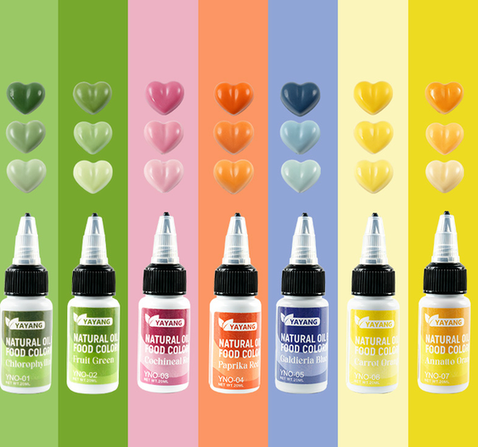
The reason why chocolate seizes comes down to water, sugar, and particle movement. Natural Oil Based Food Coloring uses an oil-compatible carrier that keeps added water low as color disperses through cocoa butter or compound coating. When coloring white chocolate, carrier choice matters as much as shade. Review the food ingredient range while defining the format your recipe needs.
Why Does Chocolate Seize When You Add Color?
Chocolate is a concentrated suspension. Sugar, cocoa solids, and milk solids sit as fine particles inside a continuous fat phase. The fluid texture depends on cocoa butter coating those dry particles so they can move past one another.
Water Creates Sticky Sugar Bridges
A small amount of water dissolves sugar on the particle surfaces. That concentrated sugar syrup becomes sticky and pulls nearby particles into clusters. The fat loses its ability to keep each particle moving freely, so viscosity rises within seconds. This is the practical chemistry behind chocolate seizing.
A few drops dissolve part of the sugar and bind many particles together. Steam, a damp bowl, wet flavoring, or water-based food coloring can all start the same chain.
One Drop Can Disrupt a Small Batch
Risk changes with batch size, sugar content, temperature, and the water level in the color. White chocolate contains sugar and milk solids, and its pale surface exposes every grain. Dry tools and measured additions matter.
Oil-Soluble vs Water-Soluble Food Color: What Changes?
The oil-soluble vs water-soluble food color choice starts with the carrier. Water-based liquids suit icing and drinks. Chocolate needs an oil-compatible medium or a dry pigment designed to disperse in fat.
Read the Carrier and Application Notes
An oil based food coloring for chocolate may contain color particles dispersed in vegetable oil or another approved fat-compatible carrier. Some natural pigments are dispersible in fat. They may remain as fine solid particles and need stirring before use. Check the ingredient statement, recommended application, storage instructions, allergen information, and rules in the destination market.
Natural Color Still Needs Compatibility Testing
The word natural describes the color source. Performance still depends on heat, light, particle size, carrier oil, and the ivory tone of white chocolate. Test the exact natural food coloring for chocolate in cocoa butter, white chocolate, or compound coating.
How Should You Color White Chocolate?
A controlled method protects texture and helps repeat orders match. A color that looks strong in the bottle may soften in an opaque chocolate base.
Prepare a Dry, Temperature-Controlled Setup
Use a clean, dry bowl and spatula. Let sealed color containers reach room temperature before opening so condensation stays off the product. Melt and temper real chocolate according to its working curve. Follow the maker’s melt instructions for compound coating.
Add Color in Small Measured Steps
Mix the color fully, weigh a small dose, and stir it into the melted base. Record color mass per 100 g, temperature, mixing time, and appearance. Add more in small steps. Excess carrier oil can soften the set, so check color, snap, release, and shelf behavior.
Chocolate Color Mixing Chart
Use the table as a trial map. Color strength varies by pigment and supplier, so record your approved ratios by weight.
|
Target Shade |
Trial Blend by Color Parts |
White Chocolate Adjustment |
|---|---|---|
|
Orange |
2 yellow + 1 red |
Add red slowly; the ivory base already adds warmth |
|
Leaf Green |
2 yellow + 1 blue |
Increase blue by tiny increments |
|
Purple |
2 red + 1 blue |
A pale base gives a cleaner violet |
|
Dusty Rose |
4 red + a trace of brown |
Stop early and check after setting |
|
Teal |
2 blue + 1 green |
Compare melted and fully set samples |
|
Deep Red |
Red + a trace of brown |
Build depth across several additions |
Can You Save Chocolate After It Seizes?
The intended end use decides the rescue route. Adding cocoa butter may leave lumps and rarely returns seized chocolate to a reliable tempering or molding state.
Convert It to a Water-Rich Recipe
Gradually whisk in warm cream, milk, or hot water to dissolve more sugar and make sauce, ganache, or filling. Match measured additions to a tested recipe. Use a fresh, dry batch for shells, bars, dipping, or decorations that need temper and snap.
How Do You Test Color Before Production?
A short bench trial costs less than a rejected kettle. Keep the materials and process close to production conditions, then change one factor at a time.
Build a Three-Dose Trial
Prepare low, middle, and high dose samples plus an uncolored control. Record warm viscosity, set shade, mold release, gloss, snap, flavor, and color after storage. Repeat the test in each compound coating because fat systems vary.
Check the Finished Process
Run the selected dose through the real mixing, depositing, cooling, and packing steps. Keep an approved color standard under fixed lighting and photograph samples from the same angle. Link the color lot to the chocolate batch. This small record settles many later questions about shade drift.
Build a Color System Around the Actual Chocolate
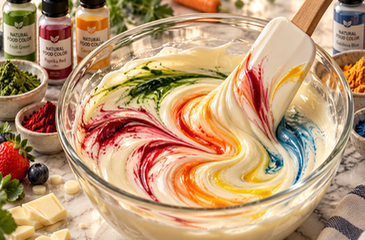
The useful supplier conversation begins with your base, target shade, processing temperature, destination market, and end use. YAYANG can use those details to identify a cocoa butter color or chocolate color paste for bench evaluation, then provide the ingredient and handling information available for that sample. The sample should run through your three-dose trial in real chocolate and compound coating where both appear in production.
Send the base type, target color, batch temperature, and market requirements through a technical sample request. Ask for a sample of Natural Oil Based Food Coloring for cocoa butter or chocolate, along with recommended use guidance, storage details, pack options, and lot information. Approve the color only after the set sample meets your texture and shade limits.
FAQ
Q1: Why does chocolate seize when food coloring is added?
A: Water dissolves sugar on the surface of chocolate particles. The concentrated syrup binds the particles into clusters, and the chocolate becomes thick and grainy.
Q2: What is the difference between oil-soluble vs water-soluble food color?
A: Oil-compatible color disperses through fat-rich systems such as chocolate and cocoa butter. Water-soluble color is made for water-rich foods and can introduce enough moisture to seize chocolate.
Q3: How do you color white chocolate safely?
A: Keep every tool dry, use Natural Oil Based Food Coloring made for fat systems, add it by weight in small steps, and test the set texture and shade before scaling up.
Q4: Can seized chocolate be saved?
A: Warm liquid can turn it into ganache, sauce, or filling. Use a fresh batch for tempering, molding, dipping, and work that requires a firm snap.
Q5: Can natural oil based color work in both cocoa butter and compound coating?
A: Compatibility depends on the pigment, carrier, dose, and fat system. Test each base separately and approve viscosity, set, color, flavor, and storage behavior.