
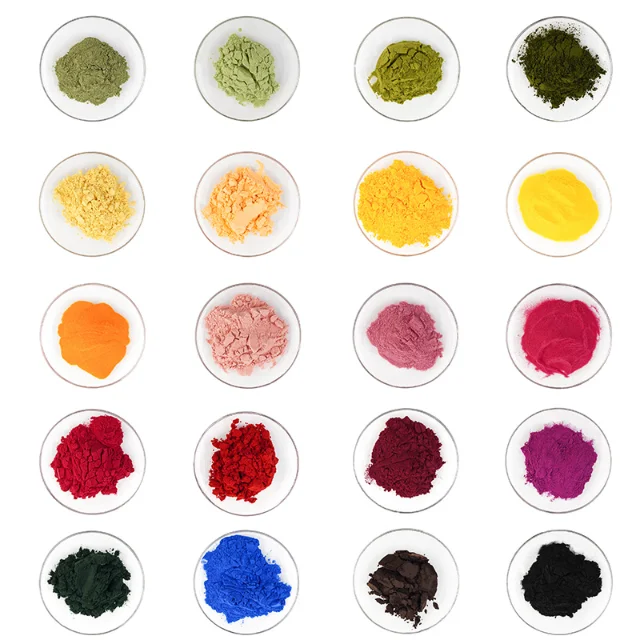
If you work in a food plant, you probably know one thing very clearly: the same synthetic color powder can behave great in one product and quite badly in another. A bright red that looks perfect in a clear drink may turn dull in a cake or fade in a gummy after a few months on the shelf. That gap between a nice lab sample and a real product on a pallet usually comes from the way each application changes the environment around the pigment.
This guide looks at how synthetic food colors behave in three common categories: beverages, confectionery and baking. You will see how pH, temperature, sugar, water and process time work together, and which key parameters for synthetic food colors matter most in each case. The focus is simple: help you avoid color problems, choose a suitable grade and explain your decisions to R&D, QA and purchasing in clear language.
Why Application Differences Matter For Synthetic Color Powder
Synthetic food colorants are often described with short labels such as “acid stable” or “heat stable”. On paper that looks fine, but your production lines are not that simple. Beverages live in low pH and high water. Confectionery runs with high sugar and low water. Baking hits long dry heat and complex reactions in the crumb. Even though synthetic food colors are more stable and stronger than many natural pigments, they still react to these very different environments.
If you use one synthetic color powder in all three areas without looking at pH, thermal load or matrix, you will sooner or later see fading, shade shift or uneven color. So application differences of synthetic color powders are not a side topic. They sit right in the middle of quality, cost and brand image.
A quick way to frame it is to compare the three categories on a few simple axes.
| Application | Typical pH | Thermal Load | Matrix And Water Level | Main Color Pressure Points |
| Beverages | 2.5–4.5 | Pasteurization, hot fill | High water, clear systems | Light, oxygen, precipitation, fading |
| Confectionery | 3.5–6.5 | Short, high cook step | High sugar, low water | Heat shock, long shelf life, surface look |
| Baking | 6.0–7.5 | Long dry heat, oven time | Flour, fat, protein batters | Browning, loss of brightness, icing fade |
This simple table already shows why one “good” pigment may work very differently as you move from drinks to candy to cakes.
Key Factors That Affect Color Stability In Food Processing
Before you go into each category, it helps to keep a short list of factors in mind. These points control color stability in food processing and explain most of the behavior you see on line and on shelf.
pH And Product Matrix
pH is one of the first numbers you need for any project. Many synthetic food colors for beverages perform well in acidic systems. At low pH they keep a bright, clean shade and stay soluble. When you move closer to neutral pH, as in doughs or cake batters, the same pigment can look different or drift slightly in tone over time.
The matrix matters as much as pH. A clear acidic drink, a high sugar gummy and a fat rich batter are three different worlds. Proteins, gums and starch can bind pigments. High sugar and low water in confectionery can “lock” synthetic food colorants into a glassy structure. All this changes how your eye reads the final color, even if the dosage is the same.
Temperature And Heat History
Heat helps pigments dissolve, but it also stresses them. A short cook at 130°C in candy is not the same as 15 to 20 minutes at 180°C in an oven. Synthetic food colors generally survive heat better than most natural pigments, yet long exposure in baking still pushes some shades toward dull or brown tones.
So you need more than one number. You need the full heat history: preheating, holding and cooling, and how many times the product sees a temperature rise. That is why heat resistant food colors for baking are a real technical topic, not just a slogan.
Light, Oxygen And Metal Ions
In drinks you see this every day. Clear PET bottles, bright shelf lighting and long storage are tough on colors. Light and oxygen slowly break down certain structures, even in synthetic food colors that are more robust than natural ones. Color starts to fade at the shoulder of the bottle or near the surface of a tray.
Metal ions such as iron and copper can speed this up. If your water, sugar or process equipment introduces these ions, they act like small catalysts. In that case, color stability in food processing depends not only on the pigment, but also on good water treatment and sometimes chelating agents.
Synthetic Color Powders In Beverages
In beverages, your main job is to keep a bright, stable shade in a cold, acidic, transparent system that may sit in light for months. Synthetic food colors for beverages are widely used here because they offer stronger, cleaner color at low dosage and handle acid and heat better than natural pigments in many cases.
Typical Beverage Conditions
Soft drinks, juice drinks, energy drinks and sports drinks share a few common settings:
- pH usually between 2.5 and 4.0
- High water activity and relatively simple matrix
- Often filled hot and then cooled
- Packed in clear glass or PET that lets in light
This combination makes beverage color stability a central topic. The pigment must dissolve fully, stay in solution and resist both light and oxygen through the whole shelf life.
Key Parameters For Beverage Formulation
When you set up synthetic food colors for beverages, you mainly watch:
- Final drink pH
- Pasteurization or hot fill time and temperature
- Dissolved oxygen level and headspace volume
- Metal content and any ascorbic acid in the recipe
Simple stress tests, such as holding samples at elevated temperature under light, give you a fast view of shade drift and precipitation risk. That early work costs some time but saves a lot of complaints later.
Synthetic Color Powders In Confectionery
Confectionery looks very different. Here you cook sugar syrups at high temperature, set them into hard or soft structures and keep them on shelf for a long time. Synthetic food colors for confectionery must handle a short but tough heat step, then stay attractive for many months.
High Sugar, Low Moisture Systems
Hard candy, gummies and jellies all use high solids and low water. After cooking and cooling, the matrix is glassy or gel-like. This structure slows down many reactions, so some synthetic food colorants are actually more stable here than in drinks.
The main challenge is the cook stage. Boiling syrups reach 120 to 150°C. Even if the time is short, unstable pigments will lose brightness quickly in such conditions or shift to a different shade.
Process Parameters In Candy Lines
Useful parameters for confectionery colorants include:
- Cook temperature and duration
- Final moisture and water activity
- pH of the syrup or gel
- Type of gel or texturizer
If you add synthetic color powder too late or into a syrup that is already very viscous, you can get poor dispersion. That shows up later as streaks, spots or uneven color. So timing and mixing are just as important as pigment choice.

Synthetic Color Powders In Baking
Baking may be the most demanding place for synthetic color powders. You deal with long, dry heat and a matrix full of flour, sugar, fat and gas cells. On top of that, browning reactions darken everything around the pigment, especially at the surface.
Crumb Versus Surface Colors
You can think of baking in two zones. The crumb is the interior of a cake, muffin or cookie. It faces full oven time and all the browning chemistry. The surface and decorations, such as icings and glazes, either see less heat or are added after baking.
cSynthetic food colors for baking often give the best effect when you move more color into the surface phase. A colored frosting or glaze can look much brighter than color locked inside a browned crumb, even at lower pigment dosage.
Key Baking Parameters For Color Performance
For color performance in cakes and cookies, helpful data include:
- Oven temperature profile and real time in each zone
- Batter pH, driven by leavening agents and ingredients
- Sugar and fat levels, which affect browning and softness
- Point of addition for the synthetic color powder
If baked products come out too dull, higher dosage is not always the best first move. Sometimes a slightly lower oven temperature or shorter bake with the same core temperature already keeps synthetic food colors looking more lively.
Comparative Overview And Simple Checklist
At this stage, you can pull the three applications together again. Drinks focus on low pH, clear systems and light. Confectionery sits in high sugar with short, intense heat and long shelf life. Baking pushes pigments through long dry heat and browning, then often adds a second color layer on top.
A practical way to keep this clear in daily work is to use one comparison table and one short checklist. You do not need a long manual, just a quick view that reminds you what really matters when you pick a synthetic color powder.
Table 2. Quick Checklist For Synthetic Color Powder Selection
| Check Item | What You Look At In Practice | Why It Matters For Color Performance |
| Product pH | Final pH in drinks, gels and batters | Many synthetic food colors behave differently in acid and near neutral systems |
| Process temperature profile | Peak temperature and time in cook, pasteurization or baking | Heat history drives fading, browning and the need for heat resistant food colors |
| Matrix type | High water, high sugar, high fat or mixed | Matrix changes solubility, migration and how bright the shade looks in real products |
| Packaging and light exposure | Clear or opaque packs and shelf lighting | Light can slowly break down pigments, especially in beverages on open shelves |
| Storage and shelf life | Target shelf time and typical warehouse and retail conditions | Longer shelf life gives more time for oxygen, light and temperature swings to act |
| Regulatory category and limits | Legal class of the product and allowed color usage levels | Synthetic food colorants must stay within limits for each food group, not just in total |
| Trial and test plan | Small scale runs and simple stress tests | Early tests in real matrices catch color problems before full scale production |
These steps sound basic, and they are, but many color complaints trace back to skipping one of them. If you keep this checklist close to your project notes, it becomes much easier to explain choices to R&D, QA and purchasing without long debate.
YAYANG As A Practical Partner For Synthetic Color Powders
If you are working through all these details, it helps to have a supplier that speaks the same language as your plant and lab teams. YAYANG is a professional manufacturer of effect pigment that has been active since 1999, with a strong focus on food, beauty and DIY applications. For food use, YAYANG offers a wide range of products such as food coloring powder, food coloring liquids and gels, shimmer coloring and edible luster dust that fit different matrices from beverages to baked goods.
The company runs a strict quality system and holds certificates like ISO9001, ISO22000, GMP, Kosher and Halal, which is important when you face audits or export projects. YAYANG also supports OEM and ODM work, including packaging and technical documents, so you can match synthetic food color powder choices with the pH, process and shelf life of your products instead of treating color as a last-minute decoration.
FAQ
Q1: Why does the same synthetic color look different in drinks and cakes
A: The drink is acidic, full of water and usually clear, while the cake sits in a near neutral crumb that goes through long dry heat. pH, matrix and oven time all change how the same synthetic color powder shows up to the eye.
Q2: How can you improve color stability in beverages without changing shade
A: You can keep pH in the target range, reduce oxygen in water and headspace, choose synthetic food colors for beverages with good acid stability and use packaging that blocks more light. Small changes in filling and storage often make a big difference.
Q3: What is the main risk for synthetic colors in confectionery
A: The main risk is the high cook temperature and poor dispersion in thick syrup. If color is added too late or mixing is weak, you get streaks or spots. Picking a grade that handles heat and adding it at the right time in the process helps reduce this problem.
Q4: Why do baked products sometimes lose brightness after the oven
A: Long oven time and browning reactions darken the whole crumb, so the pigment has to fight against a brown background. In baking, it often works better to use heat resistant food colors and to move more color into surface layers such as icings or glazes.
Q5: What is a simple first step when you select a synthetic color for a new product
A: Start with the basics. Note the pH, process temperatures, water level and shelf conditions. Then choose synthetic food colorants that already work in similar beverages, confectionery or baking products, and run a small set of stress tests before you move to full scale.