
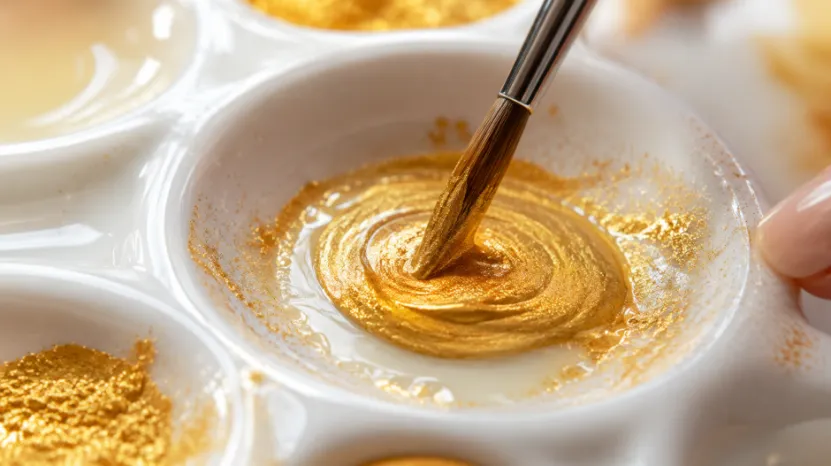
Choosing your mixing liquid changes more than just the thickness of the paint. The fluid directly impacts the shine, the drying speed, and the overall coverage. It also determines whether brush marks stay visible. Water is an option, but it rarely serves as the top choice for all decorating surfaces.
To create smooth edible luster dust paint, you have a few practical choices. Water, vodka, and alcohol-based lemon extract all work well. Food-grade alcohol or a designated edible painting solution are also excellent options. Always begin with a food-grade powder. Then, add your fluid just one drop at a time. A blend might look perfect on the palette. Yet, it can act completely differently on buttercream or chocolate. This is normally where problems begin.
Can You Mix Luster Dust With Water?
Yes, you can, but there is a catch. Water works best on hard, dry fondant. It also suits gum paste and fully set royal icing. This method gives you a basic alcohol-free paint. However, the final coat dries much slower. It also looks distinctly less metallic than mixtures made with alcohol.
How to Mix Luster Dust With Water
Put a tiny bit of powder into a clean palette. Drop in some water, crush any dry lumps, and blend it well. Only add a second drop if the mix stays too thick. Good paint should slide off your brush without dripping. Always test it on a scrap piece of fondant first.
In previous decorating tests, water mixtures took roughly 30 minutes to dry. They left visible brush strokes and created a duller, matte finish compared to alcohol. Additionally, water-based paints cover large buttercream areas poorly. Keep water away from chocolate entirely. Even tiny amounts ruin the surface or make melted chocolate seize up.
What Is the Best Liquid to Mix With Luster Dust?
When picking a liquid, think about your dessert surface first. You also need to consider your packing deadline. There is no single perfect liquid for every job. Still, fluids that evaporate fast usually create the cleanest, brightest metallic effects.
Compare the Main Options
A high-proof, food-safe alcohol is often the top pick. An approved edible painting medium works just as well. These liquids dry fast, leaving the shiny particles sitting nicely on top of the dessert. Vodka is very easy to find and handles small details perfectly.
Alcohol-based lemon extract dries even faster if it has high ethanol levels. Water and lemon juice are okay for alcohol-free needs. Just know they require extra drying time and multiple thin layers. Never use rubbing alcohol or industrial ethanol. Stick strictly to food-grade options.
What Is the Best Luster Dust and Vodka Ratio?
You will not find a strict ratio that works for every single color. Fine pearls, heavy metallics, and chunky shimmers all absorb liquids in different ways.
How to Mix Luster Dust With Vodka
Start with a quarter teaspoon of powder. Add two drops of vodka to the pile. Stir it up, and then add one more drop if necessary. The result should look like thin cream. It should not look like tinted water. Add more powder if it drips off your brush. Add another drop of liquid if the brush pulls and leaves harsh lines. Working in small batches is much easier to manage. Making a giant cup of gold paint is a waste unless you have a massive cake to cover.
Can You Mix Luster Dust With Lemon Extract?
You absolutely can, but you must check the label first. Some extracts rely on alcohol. Others are made with oil, water, or sweet syrup.
Lemon Juice vs Lemon Extract for Luster Dust
The main difference here is the base liquid. An alcohol-based extract evaporates rapidly and leaves a bright shine. Lemon juice contains lots of water. Because of this, it dries slowly and leaves heavy streaks. Extracts made with oil or syrup remain sticky. Do not assume any bottle labeled “extract” will do the job.
How Do You Make Luster Dust Paint?
Making this paint requires careful control over small amounts. Grab a dry palette, a food-safe brush, your edible dust, and a good liquid.
Use a Simple Five-Step Method
Follow these steps to make your paint:
Put the powder into an empty palette.
Drop your liquid in, one single drop at a time.
Smash any clumps using your brush.
Test the blend on a scrap piece of your dessert material.
Paint in thin coats, letting each layer dry completely.
The correct consistency covers surfaces in a flat, solid layer. Never mix liquids directly inside the main jar. A wet brush will ruin the rest of your dry powder. Use E171-free edible luster dust or items clearly marked safe for food with a real ingredient list.
Why Is My Luster Dust Paint Clumping?
Clumps happen for a few common reasons. You might have poured the liquid in too fast. Your brush might have been wet beforehand. Moisture could have also sneaked into your powder jar.
Fix Clumps Before Painting
To fix minor lumps, smash the mixture against your palette using a flat brush. Stir in extra powder if the puddle gets too thin. If the powder has turned into hard, wet rocks inside the jar, throw it away. Buying a new product is safer than using ruined dust.
Why Is My Luster Dust Paint Sticky or Slow to Dry?
Sticky paint usually means the liquid is wrong, the coat is too thick, or the room is too humid. Water, juices, oils, and syrups evaporate much slower than pure alcohol.
Check the Carrier and Coating
Stop adding layers if the paint refuses to dry. Move the dessert to a dry room and read your liquid’s label. Oil mixtures will stay wet forever. Thick water layers take hours to set. High-alcohol blends can dry in minutes. Vodka needs roughly 10 minutes. Water or lemon juice takes about 30 minutes. Keep in mind that humidity and thickness alter these times.
How Can You Prevent Brush Strokes in Luster Dust Paint?
Preventing streaks requires thin paint and fewer brush movements. Going over a half-dry spot pulls up the bottom coat and makes dark ridges.
Use Thin, Controlled Coats
Grab a soft, flat brush and wipe off the extra paint. Brush in one single direction. Let the first layer dry completely. Add a second thin coat instead of pushing down harder. Matching the base helps, too. Gold paint covers yellow fondant much better than pure white fondant.
Which Liquid Works Best on Each Decorating Surface?
Match the fluid to the dessert material. Do not just use whatever is sitting in the kitchen.
Fondant, Buttercream, and Chocolate
Vodka and food-grade alcohol give clean results on fondant. For buttercream, use barely any liquid and only paint on chilled, firm surfaces. Avoid water entirely when working with chocolate. Dry brushing is usually the easiest method here. If you need intense colors, use an edible medium made specifically for chocolate.
How Does YAYANG Support Edible Paint Applications?
Finding a good supplier ensures you get exact color matches every single time. YAYANG has produced effect pigments since 1999. They supply food, cosmetic, DIY, and industrial pigments. The company handles product development, quality management, and packaging. They also offer full OEM or ODM support.
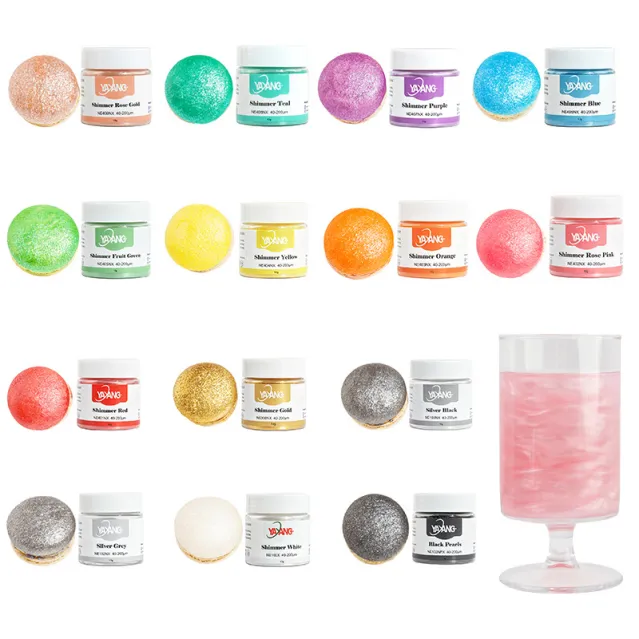
For confectionery jobs, YAYANG provides E171-free edible powder in metallic, pearl, and vivid colors. The product is titanium dioxide-free, food grade, vegan, and vegetarian friendly. It has no common allergens and leaves flavors unchanged. You can dry brush it or mix it into a liquid paint. It is intended for cakes, cookies, cupcakes, chocolate, and beverages.
FAQ
Q1: Can you mix luster dust with water?
A: Yes. Use it on firm, dry surfaces. Add water slowly. Expect slower drying times and less shine.
Q2: What is the best liquid to mix with luster dust?
A: Food-grade alcohol or an edible painting solution gives the fastest, brightest finish.
Q3: What is the best luster dust and vodka ratio?
A: Begin with a quarter teaspoon of dust and two drops of vodka. Adjust slowly from there.
Q4: Why is my luster dust paint sticky?
A: The layer is too thick, or the liquid has water, oil, or syrup inside it.
Q5: How do you make luster dust paint without alcohol?
A: Blend the dust with a tiny bit of water or lemon juice. Apply it in very thin coats.