
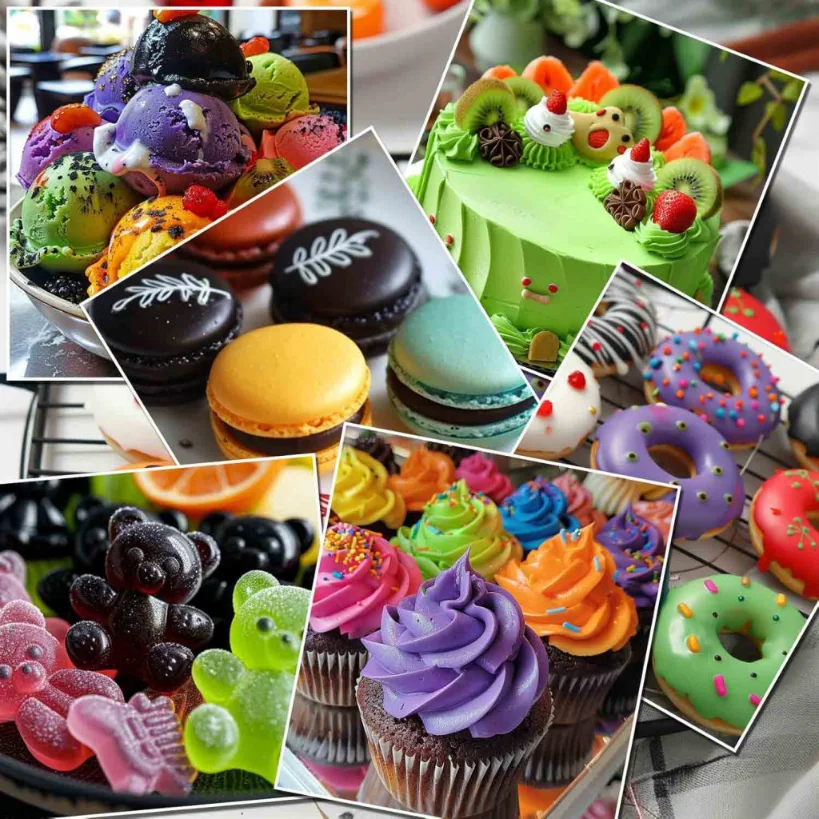
Hey there, working with food colors every day can be a bit of a headache, huh? You know color is not just decoration in food. It signals flavor, freshness and even price in the minds of your customers. When a drink looks dull or a candy loses its bright shade, people start to question quality before they even taste it. That is why many factories still choose synthetic color powder even while the market talks loudly about “natural”. If you work in R&D, QA or purchasing, you probably see this tension every day and want clear, practical reasons, not slogans.
This guide walks through five facts that often get ignored when people compare synthetic color vs natural color. It focuses on what actually happens in production lines, during storage and at audits. The goal is simple: help you avoid common mistakes, reduce color complaints and choose the right tool for the job when you work with synthetic food colors.
1. Synthetic Color Powders Offer Real Stability in Tough Conditions
In real plants, color does not sit in a glass beaker. It passes through pasteurizers, mixers, freezers, long transport routes and supermarket shelves. If a pigment cannot handle that journey, you will see claims, returns and a lot of internal meetings you really do not want.
Synthetic food colorants are designed for this kind of stress. Many grades keep their shade in hot-filling, baking or UHT, and they hold up far better than most natural pigments when light and oxygen are involved. This is one key reason why manufacturers choose synthetic colors for high volume products.
How Stability Protects Your Brand Every Day
When you look at color stability in food processing, you are really protecting your brand image. A bright orange drink must stay orange in every batch, in every region. Synthetic food color powder gives you high-stability colorants that resist heat, light and pH swings far better than many natural alternatives. In acidic beverages, candy or ice cream, this can be the difference between a clean shelf and a wave of “product looks off” complaints.
Natural pigments like anthocyanins or chlorophyll often fade or shift shade as pH or temperature changes, something widely reported in technical data from color suppliers and food additives standards. Synthetic food colors, built from well studied molecules, usually keep a stable tone for a longer time and make food color problem-solving much easier during troubleshooting in the lab or on the line.
2. High Tinting Strength Cuts Dosage And Cost
Color is a small part of your formula by weight, but not by cost. If you run large batches, even small changes in dosage hit your budget very quickly. Many plants do not track this closely at first, then get surprised when they calculate the yearly spend.
Synthetic color powder has naturally high tinting strength. That means you need less powder to get the same visual effect compared with many natural pigments. It sounds simple, but this single trait affects both cost and consistency.
Why Tinting Strength Matters for Your Formulas
With high color value, you can hit the target shade with a lower inclusion rate. This gives you a more cost-effective food color and reduces the risk of over-coloring when operators measure by hand. In continuous production, small variations in pump speed or powder flow matter less when the product has a strong and predictable response.
For you as a formulator, this also makes synthetic food color quality testing easier. You can build tight color specifications and reach them again and again with minor adjustments. Over time, this supports better control of food manufacturing colors in different plants and seasons without rewriting the formula every quarter.
3. You Get Consistent Color From Batch To Batch
Your marketing team wants one clear red or one “signature” yellow. Consumers notice even a small change, especially in hero products. The challenge is that raw materials change, lines drift and operators rotate. You need tools that help you keep color steady even when everything else moves around.
Compared with many natural pigments, synthetic food colors give you much stronger batch-to-batch reliability. The shade is easier to match and repeat because the pigment content and performance are less linked to weather, harvest or species.
How Synthetic Colors Support Color Consistency
If you work across several factories, you already know that color consistency in food is hard to keep. Synthetic food color powder responds more predictably in different equipment, from small test kettles to large industrial tanks. You can build a repeatable color recipe and transfer it between plants with fewer surprises.
This is important when you balance synthetic vs natural color powders in your portfolio. Natural options give you a “clean label” image but often bring more variation. Synthetic grades, especially when supplied as food-grade synthetic color additives, help you hold a fixed shade target without constant rework in the lab. In the long run, this saves not just pigment cost but also time and goodwill with your sales team.
4. One Pigment Can Serve Many Applications
Most factories now run a mixed portfolio. The same site might produce beverages, jelly, coated snacks and maybe even bakery fillings. Managing a separate color system for every line would be a nightmare for your warehouse and your quality team.
Synthetic pigments fit well into this picture because they can act as flexible food processing colorants. The same shade often works in drinks, candy and baked goods with only small changes in dosage.
Real Applications Where Synthetic Colors Shine
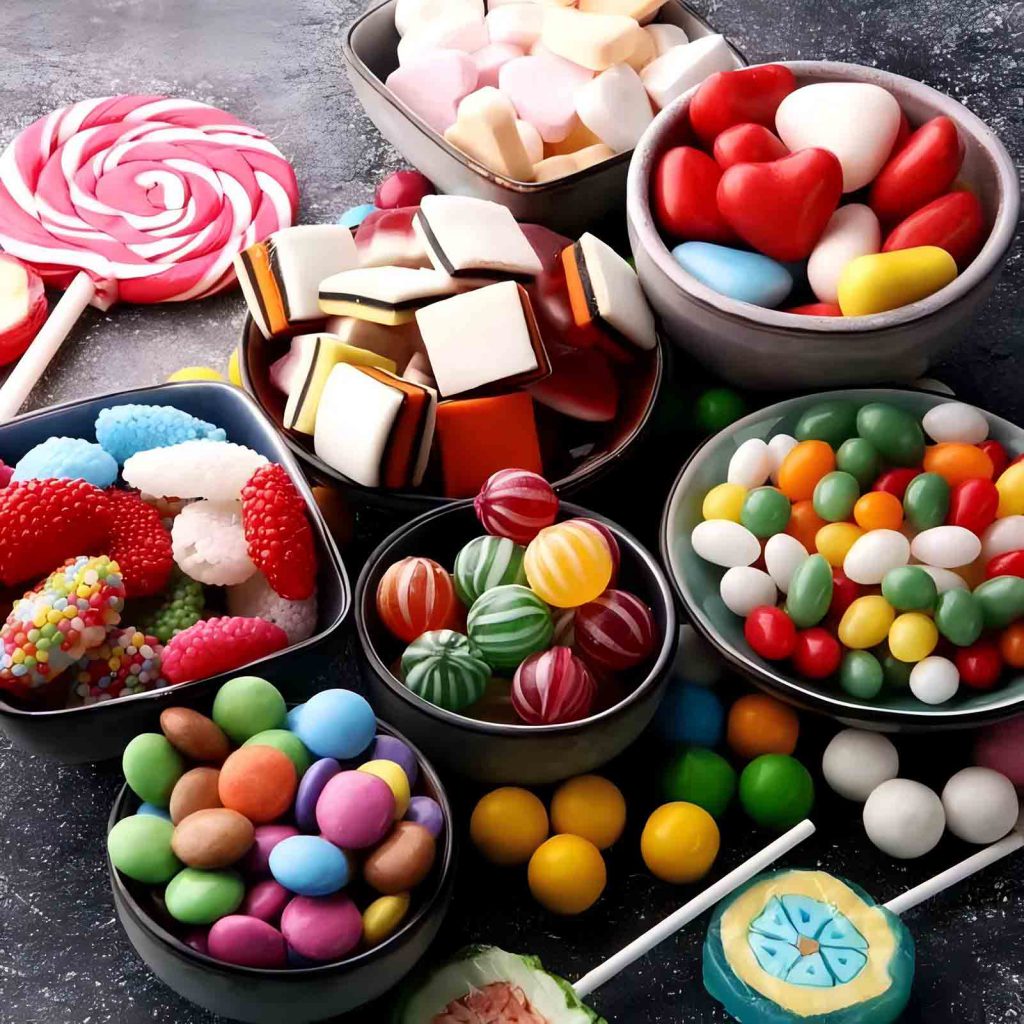
Look at applications of synthetic food colorants in daily work. In carbonated soft drinks you need stable food coloring that does not fade in light or drop out when the drink sits cold. In high sugar candy, heat-resistant colorants must stand up to cook temperatures without turning brown. In ice cream, you want color stability in beverages/candy/baking type systems where freezing and thawing cycles can stress weaker pigments.
These are areas where the benefits of synthetic color powder are very clear. You get strong food color performance across formats, with fewer surprises during scale up. Over time, this also makes your warehouse simpler, since one pigment can cover several SKUs, and you reduce the number of items that purchasing has to track.
5. Regulations And Safety Are Clear And Verifiable
Many people still worry about synthetic food colors. The history of unsafe dyes has left a long shadow. If you talk to consumers, you will hear these questions. Plant teams hear them too, and they need straight answers backed by data.
Modern synthetic pigments are covered by clear food color regulations in major markets. Each shade has a defined acceptable daily intake, purity limits and labeling rules. For you, this transparency is not just a legal topic, it is also a way to talk calmly about safety with customers and auditors.
How Regulation Helps You Sleep Better
Today, common synthetic food colors are listed in national standards and international guidelines. In many cases, only specific molecules are permitted, and they must pass strict tests for heavy metals, solvents and microbiology. This applies both to pure powder and to blends used as food color additives in final products.
When you source food-grade synthetic color additives from a serious supplier, you can ask for COA, TDS and related files as basic tools, not as a favor. This documentation supports export, private label work and retailer audits. It also helps you compare synthetic color vs natural color on a fair basis, since both now sit inside a clear regulatory frame.
How All This Fits Your Daily Work
Taken together, these five facts show why manufacturers choose synthetic colors even when natural options are available. You get stability, high tinting strength, predictable color, wide applications and a clear safety framework. In practice, this means fewer failed batches, fewer urgent calls from sales and fewer consumer complaints tied to color.
For many factories, the best path is not “synthetic only” or “natural only” but a smart mix. You might use common synthetic food colors in mass market candy while promoting natural shades in premium lines. In both cases, the logic is similar. You want solid tools, simple control and clear data, not guesswork. That is where synthetic color powder plays a quiet but important role in your toolbox.
Why YAYANG Is A Partner Many Plants Choose
If you are rethinking your color system, you probably want a supplier that knows more than just pigment names. YAYANG has worked with effect pigment and food coloring powder since 1999 and has grown into a one-stop shop for food, beauty and DIY industries. With long experience in food application, including food coloring powder and liquid or gel formats, YAYANG can help you match shades across drinks, bakery, candy and decoration products in a very down to earth way.
The company runs a strict quality management system and holds certificates such as ISO9001, ISO14001, ISO22000, GMP, Kosher and more. This matters for you because it supports your own audits and gives you stable supply for synthetic food color powder and related effect pigments. YAYANG also offers OEM and ODM service, packaging support and technical documents for different markets, so you can move faster from lab idea to stable production without adding more noise to your day.
FAQ
Q1: Are synthetic color powders safe for long term use in food
A: Synthetic food colorants that appear in official standards are tested for toxicity, heavy metals and intake levels. If you stay within legal usage levels and buy from qualified suppliers, they are considered safe for daily consumption in normal diets.
Q2: Will synthetic colors always give better performance than natural colors
A: Not always, but in many tough conditions, such as high heat or very low pH, synthetic food colors usually give stronger stability and cleaner shades. Natural pigments can work well in some products, but they often need more testing time and tighter process control.
Q3: How can you reduce the cost of color in a large factory
A: You can use high tinting strength synthetic color powder, refine your standard formulas and train operators on correct dosing. It also helps to cut the number of different pigments in the warehouse and focus on a small set of flexible shades.
Q4: What should you look at when you test a new synthetic color
A: You can check color strength, shade, stability in your real process, interaction with other ingredients and compliance documents. Simple stress tests in heat, light and pH give a quick view of how the pigment behaves before scale up.
Q5: Can you use synthetic and natural colors in the same product range
A: Yes, many brands do this now. You might keep core mass products on synthetic colors for stable performance, while using natural shades in premium or “clean label” lines. The key is to keep color stability in food processing at the center of your decisions, not just marketing messages.