
Why Do High-Fat Frostings Need a Different Coloring Method?
Butter, cocoa butter, and heavy cream build a silky frosting texture. Furthermore, these ingredients affect how dyes blend. Water-based gel introduces minor moisture into a heavy-fat bowl. Consequently, the dye might pool in little pockets. It could form odd speckles, or even force water outwards. Initially, your hue might appear washed out. Later, you could notice ugly streaks while piping.
Fat-based dyes stick to the fat phase. A Natural Oil Based Food Coloring mixes smoothly into soft butter and chocolate. Here, the pigment easily travels alongside the emulsion. This exact match is crucial. You definitely need it for a vivid red wedding cake or a deep navy finish on cupcakes.
Review Your Formula First
Identify your fat sources right away. Swiss meringue buttercream relies on butter and whipped meringue. Meanwhile, American buttercream utilizes shortening or butter alongside powdered sugar. Ganache combines chocolate, cocoa butter, and cream. Every single base absorbs pigment at its own pace.
Scoop a tiny test bit from your finished batch. Put your color in. Wait roughly five minutes, then inspect the top. A sleek spoonful provides a far better gauge than staring into a massive bowl under harsh kitchen bulbs.
How Can You Build Deep Frosting Colors With Bleeding Control?
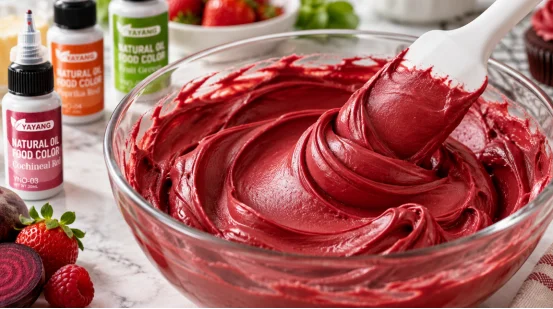
Dark shades need pigment, time, and a stable emulsion. Add all the color at once and the outside may look dark while the center stays dull. Work in small additions, keep the texture moving, then give the batch a quiet rest.
Begin With a Warm Emulsion
Soften a specific portion of buttercream to 24–28°C. Next, mix in the dye. Do this until the paste appears uniform. Afterward, fold it back into the primary bowl. For ganache, heat the colored chocolate phase to 32–35°C. Then, add your cream. An immersion blender destroys annoying flecks.
However, keep the blade completely submerged. This stops excess air. This heated emulsion process allows oil-soluble pigment to glide across the fat. The vessel should feel mildly warm. It must never be hot. Excessive heat ruins the mix. It might loosen the buttercream, split the ganache, or create an oily rim.
Add Pigment in Tiny Doses
For every 500 g of buttercream, start with 1–2 g of dense oil color. This yields a moderate hue. Mix in another 0.5–1 g gradually for red, black, or blue. Ganache typically requires less. Chocolate naturally provides a deep base. Jot down measurements next to the recipe.
Thus, future batches hit the mark faster. If dye comes in droplets, track it by weight for consistency. Drop volume fluctuates based on nozzle design and room climate. A 0.1 g pocket scale rapidly earns its keep in busy kitchens.
Rest the Batch Before Evaluating
Seal the bowl. Allow it to rest for 2–12 hours in a chilly room. The duration relies on your formula. Red and black usually intensify overnight. Give a delicate stir before piping. This pause gives pigment molecules space to disperse. It also helps the buttercream regain firmness.
Hues might transform after refrigeration. Scoop out a tiny sample. Cool it for 20 minutes. Then, match it against the room-temperature batch. This rapid test prevents nasty surprises once the cake hits the display window.
What Ratios Work for Common Deep Shades?
The table below gives starting points for 500 g of finished frosting. Concentration varies by supplier, so treat each number as a test range and adjust from there.
| Target shade | Oil color starting range | Practical note |
| Burgundy red | 2.5–4 g | Add a pinhead of violet to cool a warm red |
| True black | 3–5 g | Start with a dark cocoa or chocolate base |
| Navy blue | 2–3.5 g | A touch of purple keeps the blue from turning green |
| Forest green | 1.5–3 g | Mix yellow into a blue-green base in tiny amounts |
| Deep purple | 2–3 g | Rest overnight for a fuller tone |
| Bright orange | 1–2 g | Add color before the buttercream becomes very cold |
These amounts work well for coloring swiss meringue buttercream and American buttercream with a plain base. Chocolate ganache requires a distinct test. Cocoa solids naturally darken the outcome. When using oil-based food coloring for ganache, stir the dye into melted chocolate first. Next, pour in the cream. This simple step traps your pigment inside the fat phase.
How Do You Prevent Speckles, Streaks, and Tongue Staining?
Most surface problems come from uneven mixing or excess liquid. Scrape the bowl after each addition, especially around the bottom edge where butter can stay firm. Use a paddle on low speed for buttercream. High speed adds bubbles that make dark colors look gray.
Choose a concentrated oil color in a measured dose. A concentrated formula needs less total color, so the frosting keeps its designed fat-to-sugar balance. Let the finished shade rest before you add more pigment. That pause saves both texture and color.
Tongue staining usually follows a heavy pigment load on the surface. A stable fat-based color spreads through the batch, so you can reach deep frosting colors with a smaller dose. Keep the color inside the emulsion, and the bite stays closer to the original buttercream texture.
When Should You Use Natural Oil Based Food Coloring?
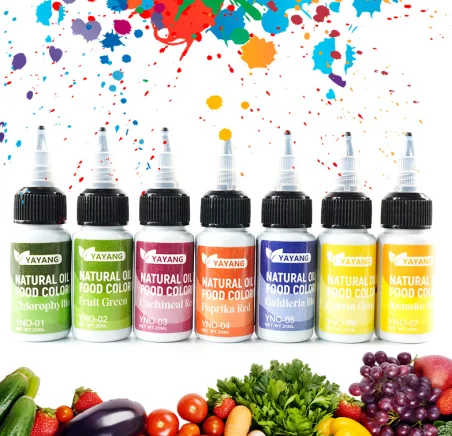
Try it on buttercream flowers, crisp cake edges, chocolate decorations, and ganache drips. Steady color is crucial here. It works in frozen desserts and compound chocolate, too. Just check the label for fat system compatibility.
Baking at home? Test a single tablespoon to start. For bakery orders, mix a 100 g sample. Chill it, then pipe a quick line. Snap a picture under your final delivery lighting. That photo becomes your true color guide.
A Fat-Compatible Color System for Consistent Results
Color consistency starts with the pigment format. YAYANG supplies food color options designed for fat-rich recipes, giving you a practical starting point for buttercream and chocolate work. The range supports measured dosing, so your team can repeat a shade across batches by weighing each dose and checking the same visual swatch.
When you review a product, check the carrier oil, recommended dosage, and heat tolerance. Those details connect directly to the warm emulsion method and the resting schedule described here. You can browse the food color collection at YAYANG’s food category and match a color family to your recipe tests. For technical questions about a specific shade, the YAYANG website provides a contact route for product details.
FAQ
Q1: Can oil-based color go straight into cold buttercream?
It can, but a softened test portion blends faster and leaves fewer streaks. Bring that portion back to the main bowl, then mix on low speed.
Q2: Why did my red buttercream turn pink?
The base may be too white, or the pigment has not rested. Add color in 0.5 g steps, let the batch sit for several hours, and judge it again after chilling.
Q3: How much oil-based food coloring for ganache is needed?
Start with 0.5–1.5g per 500g of ganache. This amount shifts based on chocolate shade and pigment strength. Stir it directly into melted chocolate before adding cream.
Q4: Does Natural Oil Based Food Coloring change the taste?
Potent formulas need just a tiny drop. Thus, your frosting keeps its true butter or chocolate flavor. Always follow the supplier’s dosage guidelines.
Q5: How to get deep frosting colors for a same-day cake?
Use a slightly warm emulsion. Pick a dark base if possible. Add your dye in careful stages. Next, let the batch rest for 60 minutes. Finally, check a cold swipe before decorating.